Other Mattresses for Seniors We Researched
There are plenty of great mattresses for older folks, and not all of them made it onto our final list. But that doesn’t mean they aren’t worth considering. If you didn’t find what you were looking for from our recommendations, check out these other top mattresses we’ve reviewed:
- Helix Midnight – The Helix Midnight didn’t quite make it past its upgraded version, the Helix Midnight Luxe, but it’s still a strong contender and was in the running for our best overall. The Midnight offers great pressure relief, a versatile medium-firm feel, and a bit of bounce from the coils, making it easy to move around on. Plus, it’s more affordable than the Luxe.
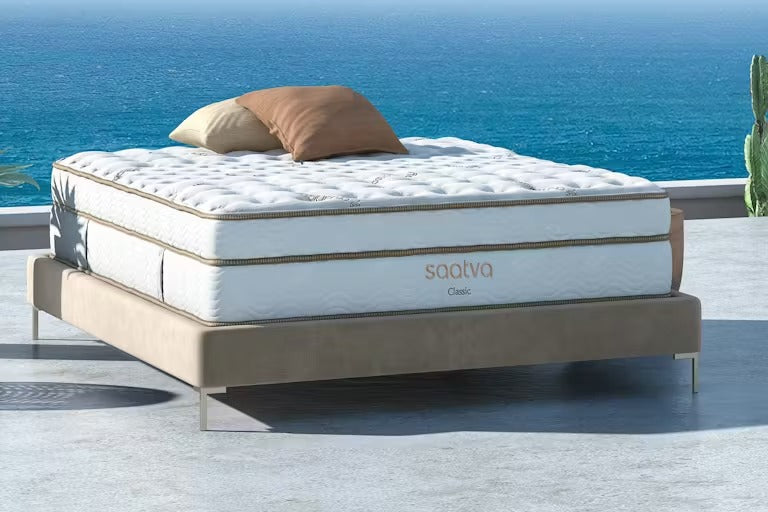
- Saatva Rx – The Saatva Rx is one of my personal favorites. It offers excellent pressure relief and motion isolation, and Saatva’s customer service is top-notch. Ultimately, I chose the Saatva Classic because it has many of the same features but comes at a more affordable price.
How We Tested the Best Mattresses for Seniors
Regardless of your age, there’s a lot to think about when shopping for the perfect mattress. Here are some other important factors to consider when choosing your new bed:
Edge Support
Seniors should make sure their mattress has strong edge support, meaning it holds its structure and support all the way to the sides. This not only indicates better overall durability, but it also helps prevent rolling off the bed, reducing the risk of injury from sleeping too close to the edge.
Pressure Relief
Pressure relief is crucial when certain parts of your body put more weight on the mattress, causing pressure to build up in one area and leading to discomfort or pain. While this is a concern for anyone looking to sleep comfortably, it’s especially important for older adults.
Many seniors experience conditions like arthritis, fibromyalgia, or general joint pain. According to Dr. Dasgupta, softer mattresses with contouring memory foam can help cushion pressure points and alleviate discomfort. Check out our lists of the best mattresses for hip pain and the best beds for fibromyalgia for examples of mattresses designed with pressure relief in mind.
Responsiveness
As people get older, they may face mobility issues that make it harder to get in and out of bed or change positions. It's important to choose a mattress that doesn't sag or make things worse by causing them to feel stuck. To help with this, it's a good idea to go for a more responsive mattress that features innerspring coils, bouncier foams, or even latex. These materials can make it easier to move around and get comfortable.
Cooling
As we age, our bodies become less efficient at regulating temperature. That's why it's important to choose a mattress that won't trap heat and will help keep you cool. Look for a bed with coils that promote good airflow or memory foam with added cooling features, like gel or copper infusions, to help regulate your temperature while you sleep.
Firmness
While comfort is subjective, the most recommended firmness for most people is medium, as it strikes a good balance between comfort and support. This is especially important for cushioning joints and keeping the spine properly aligned. For older adults, a medium firmness is generally a safe choice, but it's not always that straightforward.
If you're particularly concerned about pressure relief, you might want something a bit softer. On the other hand, if you need extra support, a firmer mattress might be better. Your ideal mattress should consider factors like your body weight, preferred sleep position, and any specific health concerns. A mattress that's too soft or too firm can lead to discomfort or pain.
What Else Is Important When Buying a Mattress for Seniors?
When choosing a new mattress, seniors should also think about the materials used in its construction. Some people love the slow, sinking feel of memory foam, while others prefer the responsiveness of a hybrid mattress that makes it easier to reposition. Understanding your personal preferences will help you narrow down your options.
Mattresses typically range from 10 to 16 inches in height. When deciding which one works best for you, consider your own height, the mattress height, and the height of your base. If you plan to use an adjustable base, make sure the mattress is compatible with it. While most mattresses claim to be adjustable base-friendly, we’ve found that this isn’t always the case in practice.
Type of Mattress
There are more types of mattresses on the market than ever before, ranging from classic innerspring models to those made from memory foam and latex. Here's a breakdown of some mattress types that might appeal to older adults:
Innerspring Mattresses: These mattresses include springs, or coils, for support. There’s a lot of variety within the innerspring category. Some models have pocketed or individually wrapped coils, while others stack multiple layers of coils on top of each other, offering different levels of support and comfort.
Memory Foam Mattresses: Made from memory foam, these mattresses are known for their softness and pressure-relieving qualities. Memory foam contours to the body and has a slow response to pressure, which helps reduce pain in sensitive areas like joints.
Latex Mattresses: Latex mattresses can be made from natural latex (sourced from rubber trees), synthetic latex (made through chemical processes), or a blend of both. They’re processed in two ways: Dunlop latex offers a firmer feel, while Talalay latex has a softer feel. Both types are durable, bouncy, and tend to sleep cooler than other foam mattresses.
Hybrid Mattresses: Hybrid mattresses combine both coils and foam, offering the benefits of both. Typically, they have a foam comfort layer on top of coils, with the foam being either memory foam or another type of foam. The coils may be individually wrapped or stacked in a more traditional manner, providing support with added comfort.
Height of Mattress
Seniors should choose a mattress height that makes it easy and safe to get in and out of bed. If the bed is too high or too low, it can make this task more difficult. For those with mobility issues, accessibility becomes even more important. A bed that's too tall can increase the risk of falls, as you may need to use your hands to pull yourself into bed or push yourself up. On the other hand, a bed that's too low can require uncomfortable bending, making it harder to get up.
Adjustable Base Compatibility
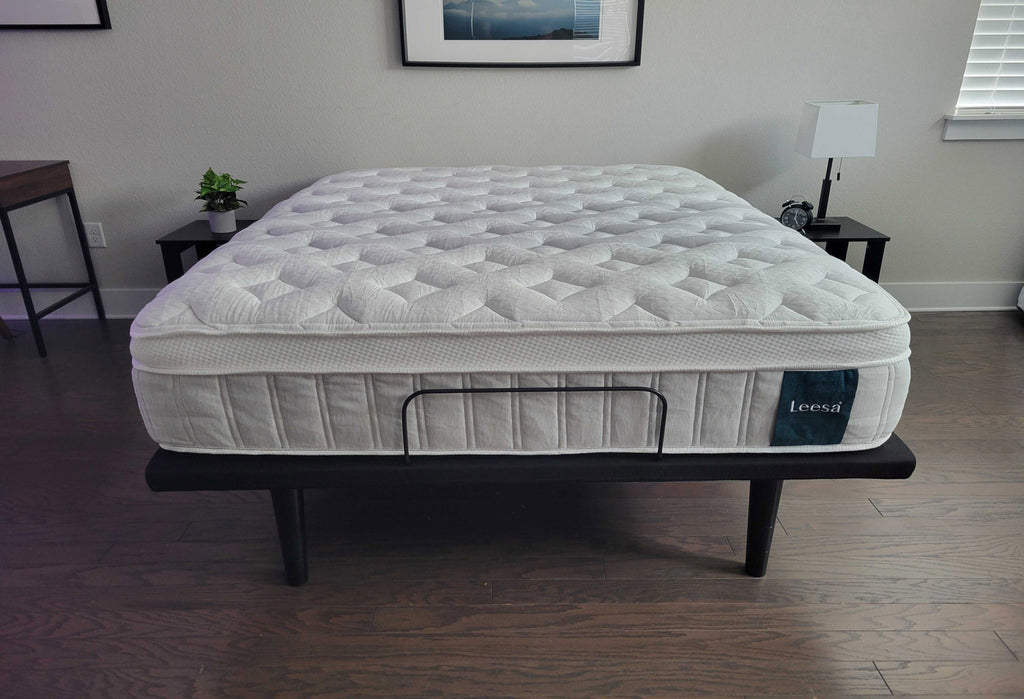
Once you've found the right mattress, you might want to consider adding an adjustable bed, which can be especially beneficial for older sleepers. An adjustable bed frame allows you to adjust the angle of the bed using a remote, making it easier to change positions without too much movement. This feature is particularly helpful for people with mobility issues. Some models also come with advanced features, such as a massage function, which can help relieve chronic pain and provide additional comfort.