


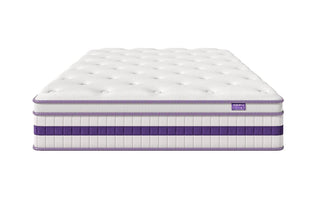
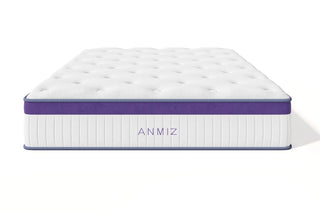
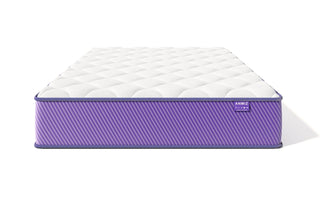
The name Mark’s Mattress comes up a lot in Midwestern bedroom conversations, usually right after someone mentions back pain or a tight budget. I kept hearing about their Comfort Core line, I kept seeing those outlet-style prices, and I kept wondering how those beds actually feel at three in the morning when your hip starts complaining. That question pushed me to pull a full test run on several of their in-house models.
For this project, our regular crew moved in as usual. I handle coordination and notes, while Marcus brings the big-frame, hot-sleeper perspective. Carlos adds the careful, alignment-obsessed back sleeper angle. Mia checks side-sleep pressure spots. Jenna and Ethan give me couple feedback at real shared-bed hours, and Jamal stresses edge support and mobility whenever his knees or hips talk back after a workout. Under those circumstances, Mark’s Mattress reviews turn into a set of lived-in stories, not just lab data.
We rotated five Comfort Core and Comfort Core Plus models through several rooms, swapped frames, changed pillows, and tracked reactions across weeks rather than single naps. I watched for the usual things—lumbar support, hip alignment, shoulder relief—but I also watched how each mattress behaved with different bodies and chaotic schedules. This kind of long-view testing matters for outlet-style beds, because marketing always looks shiny while real foam and coils sometimes tell a different story after month one.
- 1. Product Overview
- 2. Testing Team Takeaways
- 3. Mark’s Mattress Comparison Chart
- 4. What We Tested and How We Tested It
-
5. Mark’s Mattress: Our Testing Experience
- 5.1 Comfort Core Eurotop – “Mark’s Mattress Everyday Starter Cushion”
- 5.2 Comfort Core Plus ET – “Mark’s Mattress Plush Euro Top Workhorse”
- 5.3 Comfort Core Plus Elite ET – “Mark’s Mattress Enhanced Support Euro Top”
- 5.4 Comfort Core Plus Firm – “Mark’s Mattress Firm Back-Support Specialist”
- 5.5 Comfort Core Bamboo Comfort – “Mark’s Mattress Cooling Budget Foam Pick”
- 6. Compare Performance Scores of These Mattresses
- 7. Best Picks
- 8. How to Choose the Mark’s Mattress?
- 9. Limitations
- 10. Policies at a Glance
- 11. FAQs
- 12. Related Post
Product Overview
| Mattress | Pros | Cons | Ideal For | Price | Overall Score |
| Comfort Core Eurotop – “Mark’s Mattress Everyday Starter Cushion” | Good pressure relief for the price; friendly feel for guest rooms; lighter bodies feel cushioned | Support softens for heavier sleepers; limited king sizes; basic cooling performance | Budget shoppers; lighter to average sleepers; occasional-use rooms | $299–$399 (Twin–Queen, often discounted) | 3.8 / 5 |
| Comfort Core Plus ET – “Mark’s Mattress Plush Euro Top Workhorse” | Strong pocketed coil support; plush Euro top; good motion control for couples | Too soft for firm lovers; heavier stomach sleepers may sink too far | Side sleepers; couples; average-weight combo sleepers | $449–$799 (Twin–Cal King) | 4.3 / 5 |
| Comfort Core Plus Elite ET – “Mark’s Mattress Enhanced Support Euro Top” | Upgraded feel; more robust build; better long-term support for heavier bodies | Price steps up; some petite side sleepers feel it a bit firm | Heavier or taller sleepers; long-term primary bed use | $549–$899 (Twin–Cal King) | 4.4 / 5 |
| Comfort Core Plus Firm – “Mark’s Mattress Firm Back-Support Specialist” | Very steady support; strong edges; easy movement for restless sleepers | Side sleepers with sharp shoulders may feel pressure | Back sleepers; some stomach sleepers; heavier folks wanting a firm feel | $399–$749 (Twin–Cal King) | 4.2 / 5 |
| Comfort Core Bamboo Comfort – “Mark’s Mattress Cooling Budget Foam Pick” | Very low price; breathable bamboo-inspired cover feel; decent motion isolation | Limited thickness; lighter build; support drops for bigger bodies | Kids; teens; guest rooms; lighter adults who like simple foam | $179–$279 (Twin–Queen) | 3.8 / 5 |
Testing Team Takeaways
From my point of view, this Mark’s Mattress group sits in that middle lane between rock-bottom specials and full-scale luxury brands. During the first week, my lower back paid close attention to the Comfort Core Plus Firm and the Plus Elite ET. I felt my spine land in a very neutral line on those two, especially after long desk days. On the Plus ET, my hips sank a little deeper, yet the pocketed coils still caught my lumbar area in a way that felt balanced. I kept thinking “this kind of Euro top feels forgiving, but the frame underneath behaves grown-up.” The Eurotop starter model felt softer under my hips, which helped with side naps, although I sensed less reserve support.
Marcus rolled into the heavier-body tests with his usual checklist. He went straight to edge sitting in the mornings, lacing his shoes while muttering “if this thing droops, I’m out.” On the Comfort Core Plus Firm, he described the perimeter as “locked in, like the rails stay level even when I lean forward.” During nights on the Plus Elite ET, he slept partway on his stomach, partway on his back. Under those circumstances, his hips stayed lifted enough that he never used his usual “hammock sag” complaint. On the basic Eurotop, he felt himself sink deeper, and he mentioned extra warmth around his torso compared with the coil-heavy Plus models.
Mia cares most about whether her shoulder feels squashed when she curls on her side. She gravitated toward the Comfort Core Plus ET first. On that mattress, she told me “my shoulder slips into this soft pocket, yet my ribs don’t twist.” Her knees also stayed cushioned when she tucked into a looser fetal shape. On the Comfort Core Plus Firm, her reaction changed; she said her outer hip felt sharp after a full night, even with a plush topper. With the Bamboo Comfort foam model, she liked the initial hug but later noticed more pressure along her lower shoulder because the core felt simpler and less dynamic.
Jenna ran the couple testing on every model, with Ethan playing the wandering partner as usual. On the Plus ET, she described night one this way: “I feel him move, yet the waves stop fast enough that I stay settled.” During one early morning, Ethan climbed out for water; Jenna barely woke, which rarely happens on bouncy innerspring beds. On the Comfort Core Plus Firm, she felt movement more clearly, although the support under shared edges impressed her. The Bamboo Comfort gave them a different experience; motion stayed muted, yet the thinner build made the mattress flex closer to the frame, which they both noticed when they spread toward the corners. Jenna told me the starter Eurotop felt the most forgiving for last-minute guests, since the surface kept a relaxed feel across different pillows.
Mark’s Mattress Comparison Chart
| Mattress | Firmness (1–10, est.) | Type | Approx. Profile | Coil System | Cover / Top Feel | Cooling Performance | Support Character | Pressure Relief Character | Responsiveness | Motion Isolation | Durability Expectation |
| Comfort Core Eurotop | Around 5–6 medium | Traditional innerspring with Euro-style cushioning | Mid-height, similar to typical 10–11 inch profile | Linked coils with reinforced edge design | Quilted Euro top with soft initial hand | Moderate; basic fabrics, some airflow through coils | Softer under hips and shoulders; modest deep support | Cushy for lighter bodies; can compress more for heavier sleepers | Moderate bounce; easy to move | Moderate isolation; some transfer from big movements | Entry-level build; better suited for guest or lighter nightly use |
| Comfort Core Plus ET | Around 5.5–6.5 medium-plush | Pocketed-coil hybrid with Euro top | Mid-to-taller profile, similar to 11–12 inch group | Advanced pocketed coil unit with foam-encased edge | Plush Euro top with dense quilting | Above average for this price; breathable materials and airflow through coils | Adaptive, contouring support with stronger lift through lumbar zone | Deep, even pressure relief for side sleepers and combo sleepers | Quick but controlled response; you can roll without feeling stuck | Good isolation for couples; small movements fade quickly | Solid mid-tier durability; better choice for primary beds |
| Comfort Core Plus Elite ET | Around 6–7 medium-firm plush | Upgraded pocketed-coil hybrid with Euro top | Taller feel; closer to many 12–13 inch beds | Robust pocketed coil core with reinforced edge foam | Euro top with slightly denser comfort stack | Above average; stronger airflow through coil core | Stronger pushback for heavier bodies; keeps hips lifted | Cushions shoulders well for most; petite side sleepers may feel surface firmer | Responsive yet stable under quick movements | Good isolation; bigger moves still felt but damped | Higher durability expectation within this family; better for long-term primary use |
| Comfort Core Plus Firm | Around 7.5–8 firm | Firm pocketed-coil hybrid | Similar overall height to Plus ET group | Pocketed coil system with robust perimeter foam | Flatter, thinner comfort layers with firmer feel | Decent cooling; less sink means less enveloping warmth | Strong, consistent support across the surface; very little bowing | Reduced give under shoulders; more relief for back than pure side sleepers | Lively surface; easy shifting for restless sleepers | Moderate isolation; motion present yet controlled | Strong durability outlook; firmer builds usually hold shape longer |
| Comfort Core Bamboo Comfort | Around 5.5–6 medium | All-foam with bamboo-inspired knit cover feel | Slimmer profile; closer to typical 8–9 inch value foam beds | Foam support core without coils | Smooth knit cover that feels cooler to the touch | Above average for a simple foam bed; surface feels less stuffy | Support favors lighter bodies; heavier frames feel deeper sink | Gentle pressure relief at shoulders and hips for smaller sleepers | Softer response, some slow rebound from foam | Good isolation; most movement stays localized | Modest durability; best fit for lighter users or lower-demand rooms |
What We Tested and How We Tested It
For this Mark’s Mattress reviews project, we leaned on a repeatable protocol that we use across many brands. I watched for comfort and support over time, not just during showroom-style flops. Each model stayed in our rotation for several weeks, with at least ten full nights logged by at least two testers per bed, sometimes more.
We measured support by tracking spinal alignment in different positions. I used visual checks, photo grids, and my own body awareness on back and side. Marcus and Jamal gave feedback on hip lift and mid-back feel under heavier frames. Pressure relief came from side-sleep sessions, long still periods, and targeted checks on shoulders, outer hips, and knees. Mia led that part, while I joined from a heavier perspective.
For cooling, we relied on temperature readings from simple contact thermometers and subjective notes on heat build-up after extended nights. Marcus, as the hot sleeper, gave strong opinions here. Motion isolation got tested with Jenna and Ethan’s shared nights and with drop tests using a weighted object beside a glass of water.
Responsiveness and ease of movement came from turning drills, getting in and out repeatedly, and doing slow position changes. Jamal, with his athletic build, also checked how well each mattress handled stretching at the edge. Durability expectations rested on construction inspection, coil design, foam density cues when known, and comparison with similar builds we have tracked over longer periods. Edge support got scored with seated tests and lying tests near the perimeter.
We turned all those impressions into 3.0–5.0 ratings across the same key metrics for every model. Under those conditions, the numbers end up reflecting the actual lived experience more than ad copy, which helps this Mark’s Mattress lineup fall into place relative to other mid-priced options.
Mark’s Mattress: Our Testing Experience
Comfort Core Eurotop – “Mark’s Mattress Everyday Starter Cushion”

Our Testing Experience
I started with the Comfort Core Eurotop in a smaller guest room that doubles as my backup office. On the first night, my lower back felt decently held, yet I could tell the support had a softer personality compared with the Plus models. When I lay on my back reading on a laptop, my hips eased down into the top quilting, and my lumbar curve flattened just enough to feel relaxed without sharp effort. On my side, the Eurotop wrapped around my hip in a loose, forgiving way that reminded me of older classic innerspring beds, only a bit more refined.
Marcus followed with his heavier frame, and the differences came out quickly. He lay down on his stomach and said “this feels comfy, yet my hips drop fast.” After twenty minutes on his stomach, he shifted to his side, chasing a better angle for his back. Under those circumstances, he liked the initial softness under his shoulder but mentioned that his midsection sank deeper, which left his spine slightly bent. He had more positive things to say when he imagined this mattress under a guest who weighs less than he does, or under a teenager.
Mia then claimed the Eurotop for several nights. Her petite body changed the story. She rolled onto her favorite left-side curl and told me “my shoulder just falls in gently, no sharp jab.” Because she does not weigh much, the support core underneath felt firmer to her than it did for Marcus. Her spine stayed relatively straight on side, and her knees rested on the quilting without feeling pushed together too strongly. On her back, she noticed the plushness more, yet she never described any sensation of sag.
In motion tests, Jenna used the Eurotop in a guest-bed scenario with Ethan climbing in late. She reported some wave travel when he dropped onto the surface, yet the disturbance faded quickly once he settled. She described it as “more bounce than a memory foam bed, less chaos than an old school coil mattress.” For a model living at the lower end of the Mark’s Mattress price chart, the Eurotop delivered a surprisingly friendly mix of comfort and usable support, especially for lighter sleepers or occasional guests.
Pros & Cons
| Pros | Cons |
| Cushy surface feel that suits lighter bodies | Support softens under heavier sleepers over time |
| Easy, familiar innerspring bounce with mild contour | Limited size range compared with Plus models |
| Budget-friendly price for guest or starter beds | Cooling features remain basic, not advanced |
| Works well with simple platform or box spring setups | Not ideal as a long-term primary bed for large couples |
Details
- Price: Approximately $299–$399, depending on size and promotions
- Firmness: Medium feel, around 5–6 on a 10-point scale in our view
- Available sizes: Twin, Full, Queen (availability may vary by store and promotion)
- Construction: Traditional innerspring core, foam and fiber comfort layers, Euro-style quilted top
- Edge support: Foam-encased perimeter, noticeable during sitting tests
- Cooling: Basic fabric and coil airflow, no heavy specialty cooling tech
- Pressure relief: Gentle cushioning, best for lighter or average bodies
- Responsiveness: Noticeable bounce, easy turning for combination sleepers
- Durability: Entry-level construction, better suited to guest room or lighter nightly use
- Shipping / delivery: Typically local in-store purchase with regional delivery, fees varying by location
- Trial period eligibility: Covered under Mark’s 100 Day Comfort Guarantee when purchased new
- Warranty: Standard mattress warranty offered at Mark’s Mattress, details handled in-store
Review Score
| Metric | Score | Remarks |
| Support | 3.6 | Works respectably for lighter sleepers; heavier bodies notice more midsection sink. |
| Pressure Relief | 3.8 | Soft top eases shoulders and hips for petite and average frames. |
| Cooling | 3.6 | Coil core helps with airflow, yet fabrics feel standard rather than advanced. |
| Motion Isolation | 3.7 | Some bounce present; disturbance stays moderate for most couples. |
| Durability | 3.4 | Entry-level build; best as guest bed or lighter-duty nightly mattress. |
| Responsiveness | 3.8 | Easy to move on; suits restless sleepers who dislike slow foam. |
| Edge Support | 3.5 | Foam edge improves sitting comfort, yet still flexes under heavier users. |
| Value | 4.6 | Very strong price for the comfort level delivered in real use. |
| Overall Score | 3.8 | Solid starter or guest mattress within the Mark’s lineup. |
Comfort Core Plus ET – “Mark’s Mattress Plush Euro Top Workhorse”

Our Testing Experience
When I moved onto the Comfort Core Plus ET, the difference hit the moment my back met the surface. The Euro top felt thicker, more structured, and the pocketed coil unit underneath created a distinct floating sensation. Lying on my back after a long day at my desk, I felt my lower spine rest in a neutral position. My hips dipped into the cushioning, yet the deepest part of my lumbar zone stayed supported rather than drifting. I wrote in my notes that night “this kind of plush feel hides a surprisingly assertive coil frame.”
On my side, things improved further. My shoulder slipped into the Euro top without numbness, and my outer hip rested in a softer pocket without pulling my spine sideways. I could nap on my stomach for short stretches, although I knew my frame sits in a range where long stomach sleep on a medium-plush surface usually starts trouble. The Plus ET kept those naps manageable but did not change that basic reality.
Marcus tackled the Plus ET with curiosity, given his weight and heat sensitivity. During his first back-sleep session, he said “I feel the coils holding me up under the squish.” Over several nights, his hips stayed more level than on the basic Eurotop, and his mid-back felt stable instead of sagged. He did notice extra warmth when he stayed still for long periods, yet the coil airflow and breathable cover prevented the stifling heat he often reports on foam-heavy beds. For him, the bed sat at the plush edge of acceptable, yet it worked better than expected.
Jenna and Ethan used the Plus ET as their main couple testbed. On the first shared night, Ethan rotated through his usual positions. He started on his side, rolled to his back, then drifted toward the edge. Jenna later told me “I could feel him move, yet the mattress kind of swallowed the pulses.” During a quick bathroom trip, his exit from bed produced some movement, however the Euro top damped the shock enough that Jenna rolled once and went straight back under. Edge support impressed them in sitting and lying positions, especially compared with many value hybrids.
Mia, as a lighter side sleeper, loved this model. She kept describing the top as a “soft pocket with a floor under it.” Her shoulders dropped enough to avoid strain, and her neck stayed aligned across several pillow types. She tested some late-night laptop time on her back as well, and the mattress still held her in a comfortable middle position without pushing her hips upward. Among the Mark’s Mattress options we tried, this one became an early favorite for side-heavy sleepers and for couples who want comfort without that marshmallow stuck-in-foam feeling.
Pros & Cons
| Pros | Cons |
| Plush Euro top combined with supportive pocketed coils | Too soft for sleepers who insist on very firm beds |
| Stronger lumbar alignment for many back sleepers | Heavier all-night stomach sleepers may experience hip sink |
| Good balance of contour and pushback for side sleepers | Some heat-sensitive users still feel mild warmth |
| Foam-encased edge increases usable surface area | Price higher than base Eurotop, though still value-oriented |
Details
- Price: Approximately $449–$799, depending on size and ongoing deals
- Firmness: Medium-plush, roughly 5.5–6.5 in our tests
- Available sizes: Twin, Twin XL, Full, Queen, King, Cal King
- Construction: Advanced pocketed coil unit, foam-encased perimeter, Euro top with multi-layer comfort stack
- Edge support: Noticeably strong, supportive for sitting and lying near edges
- Cooling: Breathable cover and comfort materials, coil airflow improves temperature control compared with all-foam budget beds
- Pressure relief: Deep contouring at shoulders and hips, especially for side sleepers and combination sleepers
- Responsiveness: Quick surface response, no deep memory-foam slow sink feel
- Durability: Mid-tier hybrid build quality, better suited to nightly primary use than the entry Eurotop
- Shipping / delivery: Primarily in-store or regional delivery, exact fees and availability depend on local Mark’s Mattress locations
- Trial period: Eligible for the 100 Day Comfort Guarantee, subject to store rules
- Warranty: Backed by Mark’s Mattress warranty program, with coverage explained at purchase
Review Score
| Metric | Score | Remarks |
| Support | 4.3 | Pocketed coils keep spines aligned for many back and combo sleepers. |
| Pressure Relief | 4.6 | Euro top creates a deep yet controlled cradle for shoulders and hips. |
| Cooling | 4.2 | Breathable design tempers warmth for most, though very hot sleepers still notice some heat. |
| Motion Isolation | 4.4 | Pocketed coils and plush top reduce partner disturbance significantly. |
| Durability | 4.1 | Hybrid construction and reinforced edge indicate solid mid-range longevity. |
| Responsiveness | 4.0 | Easy rolling and position changes without slow memory-foam drag. |
| Edge Support | 4.3 | Foam encasement offers stable sitting and sleeping space near perimeter. |
| Value | 4.4 | Strong performance package for the price tier under real-world use. |
| Overall Score | 4.3 | Excellent daily-driver mattress in the Mark’s Mattress family. |
Comfort Core Plus Elite ET – “Mark’s Mattress Enhanced Support Euro Top”
Our Testing Experience
Shifting from the Plus ET to the Plus Elite ET felt similar to trading a standard sedan for a slightly heavier touring car. The surface still cushioned my shoulders and hips, yet the underlying coil structure carried more authority. On my back after a long editing day, my lumbar zone felt very secure. My hips found a shallow pocket in the Euro top, then hit firmer resistance a little sooner than on the regular Plus ET.
On my side, I still achieved good pressure relief. My outer hip settled in gently, and my shoulder sank far enough to avoid tingling. The difference arrived in how the mattress pushed back as I rolled. Each rotation felt guided by the coil core, with a slightly firmer rebound that encouraged my spine into alignment. I wrote in my notebook “Elite has more backbone than Plus; still gentle on top, yet less give overall.”
Marcus used this mattress for a week while juggling long workdays and early-morning alarms. On his stomach, he reported that his hips stayed lifted noticeably better than on the softer options. He said “this one keeps me level, even when I fall forward from my side.” Overnight, he alternated between back and stomach without waking from lower-back strain, which counts as a win for his frame. Heat levels stayed reasonable, helped by airflow through the stronger pocketed coil unit and the relatively open comfort stack.
Jamal evaluated the Plus Elite ET from the standpoint of an active body with occasional joint tightness. After a long leg day, he liked stretching on his back right on top of the mattress before sleep. The surface gave him enough cushioning under his knees when he pulled them toward his chest, yet the support underneath never felt mushy. When he sat on the edge scrolling through messages, the perimeter barely dropped. He described the feel as “firm-friendly without feeling like a board.”
Mia, with her lighter frame, had a slightly different take. She appreciated the pressure relief, yet she noticed the firmer undertone more clearly. She told me, “I sleep fine on it, but I do less sinking, and I feel more of the structure.” For her, the Plus ET remained the sweeter spot, while the Elite ET targeted taller or heavier sleepers who want extra reserve support under a still-plush top. From my perspective, the Elite ET stood out as the Mark’s Mattress model that best bridges long-term durability and everyday comfort.
Pros & Cons
| Pros | Cons |
| Stronger underlying support for heavier or taller sleepers | Petite side sleepers may find the surface slightly firm |
| Euro top still offers cushioned comfort for pressure points | Price climbs above other Comfort Core models |
| Robust edge support and stable feel for couples | May feel overbuilt for very light users or short-term guest use |
| Good balance of responsiveness and motion control | Limited appeal for people chasing ultra-soft experiences |
Details
- Price: Approximately $549–$899, size and store promotions affect final numbers
- Firmness: Medium-firm plush, around 6–7 in our combined impressions
- Available sizes: Twin, Twin XL, Full, Queen, King, Cal King
- Construction: Upgraded pocketed coil core, enhanced foam encasement, Euro top with more substantial comfort layering
- Edge support: Excellent, barely compresses under seated weight for most testers
- Cooling: Good airflow through coils and breathable quilting; comfortable for many hot-natured sleepers
- Pressure relief: Supportive cushioning, especially effective for average or heavier users on side and back
- Responsiveness: Lively yet controlled bounce, easy for active sleepers to move around
- Durability: High expectation relative to other models in the Comfort Core family
- Shipping / delivery: Local sales and delivery focus, with region-based costs and timing
- Trial period: Part of the 100 Day Comfort Guarantee framework at Mark’s Mattress stores
- Warranty: Included manufacturer and store warranty coverage, details vary by ticket and program
Review Score
| Metric | Score | Remarks |
| Support | 4.5 | Strongest long-term support profile among the models we tested. |
| Pressure Relief | 4.5 | Cushions pressure points while keeping bodies well-aligned. |
| Cooling | 4.3 | Good thermal comfort for most, with coil airflow and breathable top fabrics. |
| Motion Isolation | 4.2 | Hybrid build absorbs common partner movements without deadening the surface. |
| Durability | 4.4 | Reinforced construction and firmer feel signal strong longevity. |
| Responsiveness | 4.1 | Quick rebound supports combination sleepers and active movers. |
| Edge Support | 4.4 | Keeps edges usable for sitting and for sleeping near the sides. |
| Value | 4.0 | Higher cost, yet performance and durability justify the step up. |
| Overall Score | 4.4 | Best all-around Mark’s Mattress choice for long-term primary beds. |
Comfort Core Plus Firm – “Mark’s Mattress Firm Back-Support Specialist”

Our Testing Experience
My lower back likes to know that at least one mattress in any lineup refuses to sink. Comfort Core Plus Firm became that anchor. On night one, I lay down on my back and felt an immediate, flat plane with just enough surface cushioning to keep my shoulders from feeling bruised. My lumbar curve rested on the surface more than in it. Hip alignment felt clean, with no sense of swayback.
Stomach time showed the strengths of this model. I am not a full-night stomach sleeper, yet I often drop forward for short naps. On this mattress, my hips stayed lifted and my chest did not feel jammed. I wrote in my notes “this kind of firm bed lets me nap on my stomach without payback.” On my side, the story changed. My outer shoulder started to complain after about forty minutes, especially when my arm stayed tucked under my pillow.
Marcus used the Plus Firm as his main Mark’s Mattress candidate for real long-term support. His heavier frame matched well with the strong pocketed coil core. He mentioned that his lower back felt “reset in the morning” and that he woke without the hammock feeling that softer beds can create for him. Edge sitting felt rock solid, which matters for his early shoe-tying routine. His only hesitation involved side-sleep comfort; his shoulders and outer hip felt more pressure than on the Plus ET or Elite ET.
Jenna and Ethan tested the Plus Firm as a couple’s choice for firm-feel fans. Motion transfer climbed a little compared with the Plus ET because of the stronger surface and slightly higher bounce. Jenna described it as “I notice him get in more, yet once he stops, the bed stops too.” They appreciated the edge security when they spread toward the sides. Ethan, who rotates through positions all night, liked how easy the surface made turning. He never felt stuck, even under a heavy comforter.
For Jamal, this mattress did double duty as a stretching platform. After workouts, he sat at the corner and extended his legs without feeling the mattress bow or sag under his weight. When he lay on his back with knees bent, he sensed unwavering support across his pelvis and lumbar area. Side-sleep stints remained shorter for him, yet he still considered the Plus Firm a strong option for people who prioritize support over plushness.

Pros & Cons
| Pros | Cons |
| Very steady support for back and some stomach sleepers | Side sleepers often experience increased shoulder and hip pressure |
| Strong edge performance for sitting and sleeping | Surface feel may seem too rigid for plush-seekers |
| Great ease of movement for restless or active sleepers | Petite sleepers may struggle to compress the surface comfortably |
| Encourages neutral alignment under heavier bodies | Less contouring than the Euro top models in this lineup |

Details
- Price: Approximately $399–$749, depending on size and current sales
- Firmness: Firm, around 7.5–8 on our internal feel scale
- Available sizes: Twin, Twin XL, Full, Queen, King, Cal King (availability varies by store)
- Construction: Pocketed coil support core, firmer comfort layers, flatter top finish instead of thick Euro cushion
- Edge support: Very strong, perimeter holds up under seated and lying pressure
- Cooling: Decent temperature regulation, since you sleep on rather than deep in the surface
- Pressure relief: Modest, better for back and certain stomach sleepers than strict side sleepers
- Responsiveness: Lively, easy shifting for people who change positions frequently
- Durability: High, firm hybrid builds tend to resist body impressions longer
- Shipping / delivery: Store-based purchase, with local delivery options and pickup depending on region
- Trial period: Eligible for 100 Day Comfort Guarantee, subject to store procedures
- Warranty: Covered by Mark’s Mattress warranty system, with details outlined at sale
Review Score
| Metric | Score | Remarks |
| Support | 4.6 | Excels at keeping hips and lumbar supported, especially for heavier sleepers. |
| Pressure Relief | 3.4 | Limited give under shoulders; less ideal for long side-sleep stretches. |
| Cooling | 4.1 | Firmer feel and coil airflow help limit trapped heat. |
| Motion Isolation | 4.0 | Some transfer from strong coils, yet still manageable for many couples. |
| Durability | 4.5 | Firm, well-reinforced build looks ready for extended daily use. |
| Responsiveness | 4.3 | Very easy to move and turn, helpful for restless sleepers. |
| Edge Support | 4.4 | Reliable perimeter; suitable for sitting and for spreading out. |
| Value | 4.2 | Great pick for users who truly want firm support nights. |
| Overall Score | 4.2 | Best Mark’s option for firm-feel back and stomach sleepers. |
Comfort Core Bamboo Comfort – “Mark’s Mattress Cooling Budget Foam Pick”

Our Testing Experience
Comfort Core Bamboo Comfort lives nearer the budget edge of the Mark’s Mattress catalog, so I approached it as a potential kid’s bed, teen bed, or guest-room solution. On my first night, I felt the lower profile immediately. The surface offered a gentle foam hug under my hips and shoulders, yet my 185-pound frame compressed closer to the base support layer than on the hybrids. On my back, my spine stayed fairly neutral for a while, but I could tell this mattress targeted lighter users.
On my side, the top foam cushioned my shoulder decently at first. After several hours, I noticed a bit more sink around my hip, which rotated my lower back slightly. I wrote that this model “behaves like a solid entry-level foam bed, best in smaller bodies or lighter-duty roles.” Heat performance surprised me in a good way. The bamboo-inspired knit cover felt cooler to the touch than many cheap foam mattresses, and I never felt swampy, even during a long reading session.
Mia used the Bamboo Comfort next and became the ideal tester for it. Her lighter 125-pound frame interacted differently with the foam core. She described the feel as “soft without swallowing me.” On her side, her shoulder tucked in enough to lose tension, and her hip did not sink as deeply as mine had. For her, the mattress maintained alignment over full nights, especially with a medium-height pillow. On her back, the bed felt a little softer, yet she still woke without back tightness.
Jenna and Ethan did a quick couple trial to see how this all-foam build handled motion. Here the Bamboo Comfort shined more than expected. When Ethan rolled from his side to his back, Jenna felt almost nothing. She told me “if this were thicker and more supportive for us, the motion isolation would be a dream.” The limitation appeared when both of them spread toward the edge; the slimmer profile and foam construction flexed under their combined weight, which would bother heavier couples over long periods.
Marcus tried a short nap on the Bamboo Comfort and confirmed our suspicion. His hips pushed down close to the support base, and he quickly voiced “this kind of mattress just wants smaller people.” From my perspective, the Bamboo Comfort makes sense as a budget upgrade over ultra-cheap roll-packed foam options in big-box stores, especially under circumstances where the sleeper weighs less or the bed serves in a secondary room.
Pros & Cons
| Pros | Cons |
| Very accessible price point within Mark’s Mattress lineup | Support weakens for heavier adults, especially over time |
| Foam build with good motion isolation | Slimmer profile feels less substantial than hybrids |
| Bamboo-inspired knit cover feels cool to the touch | Limited long-term durability for high-demand nightly use |
| Easy setup for kids’ rooms, dorms, or guest beds | Edge support drops off under larger bodies or couples |
Details
- Price: Approximately $179–$279, depending on size and discounts
- Firmness: Medium, roughly 5.5–6 for average-weight users, slightly firmer for lighter users
- Available sizes: Twin, Twin XL, Full, Queen
- Construction: All-foam design, supportive core foam, comfort foam layer, bamboo-inspired knit cover feel
- Edge support: Modest, especially for adults who sit or sleep near the perimeter frequently
- Cooling: Better-than-expected temperature comfort for a simple foam bed, thanks to cover feel and moderate hug
- Pressure relief: Gentle cushioning, with best performance in lighter sleepers
- Responsiveness: Soft, mild rebound, not as snappy as coil hybrids yet not extremely slow either
- Durability: Modest, more suited to lighter users, kids, or guest use than to heavy nightly loads
- Shipping / delivery: Store purchase with local delivery or pickup, depending on your Mark’s location
- Trial period: Covered by the 100 Day Comfort Guarantee, subject to standard conditions
- Warranty: Standard mattress warranty, details shared at checkout
Review Score
| Metric | Score | Remarks |
| Support | 3.4 | Favors lighter users; heavier sleepers sink closer to the core. |
| Pressure Relief | 3.6 | Adequate for petite and average bodies, especially on side. |
| Cooling | 4.0 | Cover feel and moderate hug keep heat reasonable for a foam bed. |
| Motion Isolation | 3.8 | Handles everyday partner movement well for lighter couples. |
| Durability | 3.2 | Slimmer all-foam design suits lower-demand situations. |
| Responsiveness | 3.7 | Soft response; easier to move than deep slow-sink memory foam. |
| Edge Support | 3.3 | Edges compress quickly under heavier bodies. |
| Value | 4.7 | Strong value for kids, teens, or guest setups. |
| Overall Score | 3.8 | Smart budget choice within the Mark’s Mattress catalog. |
Compare Performance Scores of These Mattresses
| Mattress | Overall Score | Support | Pressure Relief | Cooling | Motion Isolation | Durability | Responsiveness |
| Comfort Core Eurotop | 3.8 | 3.6 | 3.8 | 3.6 | 3.7 | 3.4 | 3.8 |
| Comfort Core Plus ET | 4.3 | 4.3 | 4.6 | 4.2 | 4.4 | 4.1 | 4.0 |
| Comfort Core Plus Elite ET | 4.4 | 4.5 | 4.5 | 4.3 | 4.2 | 4.4 | 4.1 |
| Comfort Core Plus Firm | 4.2 | 4.6 | 3.4 | 4.1 | 4.0 | 4.5 | 4.3 |
| Comfort Core Bamboo Comfort | 3.8 | 3.4 | 3.6 | 4.0 | 3.8 | 3.2 | 3.7 |
In my view, the Comfort Core Plus Elite ET takes the crown for balanced performance across support, pressure relief, and durability, with the Plus ET landing close behind as the friendlier plush option. The Plus Firm becomes the specialist for strong support and firm feel. The Eurotop and Bamboo Comfort models cover budget roles where value and light-use scenarios matter more than high-end longevity.
Best Picks
-
Best Mark’s Mattress Euro Top for Side Sleepers: Comfort Core Plus ET
This model gave Mia, Jenna, and me the most consistent shoulder and hip relief without sacrificing alignment. Under real-world couple use, motion stayed controlled, while the Euro top kept side positions comfortable over long nights. -
Best Mark’s Mattress Support Choice for Back Sleepers: Comfort Core Plus Elite ET
Marcus and I both felt our hips and lumbar regions stay firmly supported on this mattress, even during long stretches. The upgraded coil core and strong edge design made it feel ready for many years in a primary bedroom. -
Best Mark’s Mattress Budget Option for Guest Rooms and Kids: Comfort Core Bamboo Comfort
From the perspective of price-to-comfort ratio, this foam model fits kids, teens, and guest setups extremely well. Lighter bodies enjoy enough support and motion isolation, while the bamboo-inspired cover feel keeps things cooler than many low-cost foam beds.
How to Choose the Mark’s Mattress?
Choosing among these Mark’s Mattress models comes down to body type, sleep position, temperature sensitivity, and role in your home. Firmness preference matters, yet the interaction between weight and construction plays a bigger role in daily comfort. Budget also shapes which model makes sense, since some of these beds feel clearly built for primary bedrooms, while others thrive as supporting players.
From the perspective of sleep position, side-heavy sleepers with average weight usually gravitate toward the Comfort Core Plus ET. That kind of sleeper needs shoulder room and hip cushioning, and our tests showed the Plus ET creating an easy, forgiving cradle without losing all structure. Lighter side sleepers who still want a bit more support under hips can also use the Eurotop model, especially in guest or secondary rooms.
Back sleepers with average weight or above often match better with the Comfort Core Plus Elite ET or the Comfort Core Plus Firm. In my experience and Marcus’s view, the Elite ET handles heavier frames very well, keeping the lumbar area in line across many hours. The Plus Firm suits back sleepers who enjoy a truly firm surface and want that level of pushback night after night.
For stomach sleepers, I would lean toward the Comfort Core Plus Firm first, then the Plus Elite ET in cases where you mix back and stomach. Those mattresses kept hips lifted most effectively during our testing. The plush Plus ET and Eurotop feel sweet initially, yet stomach-dominant sleepers in heavier ranges may slowly dip too far, especially over several years.
As far as couples go, Jenna and Ethan’s tests point toward the Comfort Core Plus ET and Comfort Core Plus Elite ET as the strongest all-around picks. Those models balance motion isolation, edge support, and ease of movement. The Plus Firm also works for couples who want a firm bed and prioritize perimeter strength, though motion feels more noticeable there.
Hot sleepers such as Marcus tend to appreciate coil-based designs. Under those circumstances, the Plus ET, Plus Elite ET, and Plus Firm all outperform the all-foam Bamboo Comfort in pure support, while still handling temperature reasonably well. People with very tight budgets, or parents outfitting kid rooms, gain solid value from the Bamboo Comfort and Eurotop, as long as they recognize the lighter-duty nature of those builds.
Limitations
Across this Mark’s Mattress Comfort Core group, a few patterns showed up. Extremely plush seekers who want deep, slow-sink memory foam experiences will not find that style here. The Eurotop and Plus ET feel soft enough, yet they still behave like hybrids with bounce and support rather than deep, syrupy contour.
Very heavy sleepers far above Marcus’s range may also outgrow this lineup over time, especially the Eurotop and Bamboo Comfort models. Under those circumstances, support may taper earlier than desired. People who crave ultra-tall luxury profiles with thick specialty foams and elaborate cooling hardware will need to look at higher-priced brands or additional Mark’s Mattress offerings beyond Comfort Core.
Lastly, shoppers outside Mark’s regional footprint need to factor in access and service. This retailer focuses on in-person showrooms in specific states, with delivery structured around those locations. For someone living far away from Indiana or Kentucky, these beds may be harder to acquire or service than major nationwide online brands.
Policies at a Glance
| Mattress | Shipping (cost and region) | Trial Period | Return Policy / Fees | Warranty Length | Notable Conditions |
| Comfort Core Eurotop | Typically local delivery or pickup through Mark’s Mattress stores in serviced regions; delivery fees vary by location and promotion | Around 100 nights under the Mark’s 100 Day Comfort Guarantee | Comfort-focused reselection or adjustment handled through store; specific fees or restocking rules depend on purchase details | Standard mattress warranty; coverage explained at time of sale | Customer usually works with the same store for comfort exchanges; original receipt and condition required |
| Comfort Core Plus ET | Local and regional delivery from Mark’s Mattress locations; fees shaped by distance and promotions | Approximately 100 nights for comfort adjustments | Exchanges or reselections allowed within comfort program rules; possible service or redelivery charges | Mattress warranty consistent with mid-tier hybrids; exact term listed on paperwork | Must follow protector and usage guidelines to keep comfort and warranty protection intact |
| Comfort Core Plus Elite ET | Local / regional delivery through store network; premium models may include promotional delivery offers | Same 100 Day Comfort Guarantee framework | Store assists with one main comfort resolution during trial window; policy details vary between locations | Warranty aimed at long-term use; term length specified on tag and receipt | Mattress must remain in good condition; stains or abuse can reduce options |
| Comfort Core Plus Firm | Delivery and pickup options across Mark’s service areas; costs discussed at purchase | Covered within 100-night comfort policy | Comfort exchanges usually available during trial, subject to program rules and any fee schedule | Firm hybrid warranty coverage; specific years outlined with documentation | Use of a proper foundation or frame recommended to preserve coverage |
| Comfort Core Bamboo Comfort | Local delivery usually available, often at lower delivery cost due to lighter build; pickup easy for many buyers | Included in 100 Day Comfort Guarantee | Reselection or upgrade choices available with standard conditions; potential price difference and fees apply | Warranty suited to value foam models; term and coverage listed on ticket | Proper mattress protector use recommended; policy often requires original condition for exchanges |
In my view, Mark’s Mattress stands out mainly through the 100 Day Comfort Guarantee, which gives shoppers room to adjust if a model feels wrong after several weeks. Customers should still read the local store’s fine print regarding exchange limits, fees, and required use of protectors, since those details influence how flexible the comfort program feels in practice.
FAQs
1. Are Mark’s Mattress Comfort Core models good for back pain?
For many people with mild to moderate back tightness, yes. In our testing, the Comfort Core Plus Elite ET and Comfort Core Plus Firm aligned spines most consistently. My own lower-back tightness eased on those beds because my hips stayed level and the coil units pushed back in the right spots. However, severe or medically complex pain always needs input from a health professional.
2. Which Mark’s Mattress model works best for side sleepers?
From the perspective of shoulder and hip comfort, Comfort Core Plus ET performed strongest. Mia and Jenna both reported calm shoulders and relaxed hips over multi-night stretches. The Eurotop starter model also suits lighter side sleepers, though heavier bodies may out-sink the support core more quickly.
3. How does Mark’s Mattress compare with big online mattress brands?
Mark’s focuses on regional showrooms and in-person fitting, mixed with value pricing and in-house lines like Comfort Core. The hybrids we tested felt more supportive and substantial than many ultra-cheap online foam beds. On the other hand, some national direct-to-consumer brands offer longer home trials and wider shipping footprints. Under these circumstances, your location and service preferences matter as much as firmness.
4. Do Mark’s Mattress beds sleep hot?
In our group, the Bamboo Comfort and coil-based Plus models handled temperature reasonably well. Marcus, who sleeps quite hot, found the Plus ET and Plus Elite ET acceptable, especially with breathable sheets. Very warm sleepers may still prefer light bedding and a cooling pillow, yet none of the tested models trapped heat like dense, old-school memory foam.
5. Are the cheaper Mark’s Mattress models durable enough for daily use?
The Comfort Core Eurotop and Comfort Core Bamboo Comfort can handle nightly sleep for lighter users, yet they shine more in guest rooms or kids’ rooms. During testing, I sensed less reserve support and slightly thinner builds compared with the Plus hybrids. For heavier adults and long-term primary beds, the Plus ET, Plus Elite ET, or Plus Firm present safer long-term bets.
6. How is motion transfer on Mark’s Mattress hybrids for couples?
Our couple tests with Jenna and Ethan showed that Comfort Core Plus ET and Comfort Core Plus Elite ET manage partner movement well. The pocketed coils and Euro tops stop most everyday motions and soften the feel of bigger shifts. The Plus Firm transmits a bit more movement because of its stronger surface, yet still stays manageable for many couples.
7. What kind of sleeper should pick the Comfort Core Plus Firm?
The Plus Firm fits back sleepers and some stomach sleepers who want a truly firm feel and clear support. Marcus and I both felt our backs reset overnight on this bed, though our side-sleep time stayed shorter because of shoulder pressure. Under firm-loving circumstances, this model feels like the clearest Mark’s Mattress choice.
8. Is the Bamboo Comfort mattress only for kids?
Not exclusively. Mia slept comfortably on the Bamboo Comfort for several nights as a lighter adult. That said, support and durability patterns pushed us to recommend it mainly for kids, teens, and guest settings. Heavier adults pressed deeper into the foam core, which could shorten the mattress’s comfortable lifespan under daily use.
9. Can I rely on the 100 Day Comfort Guarantee to swap models?
From the perspective of our policy review, yes, as long as you follow store conditions. Mark’s Mattress frames that program around comfort rather than defects, which helps if you mis-judge firmness at first. Customers should still confirm local rules about time windows, fees, and one-time exchange limits before purchase.
10. Are Mark’s Mattress products a good choice if I need strong edge support?
Several models performed well in edge tests. The Comfort Core Plus Elite ET and Comfort Core Plus Firm offered the most stable rims under sitting and sleeping. Marcus and Jamal both trusted those edges during morning routines. People who sit on the bed daily or share smaller sizes gain clear benefits from those designs.


