


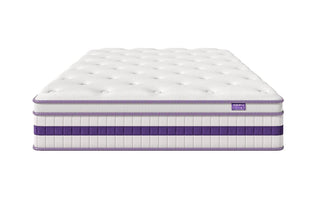
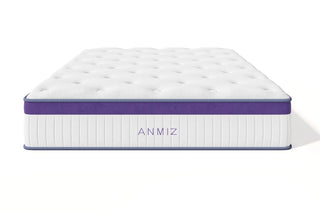
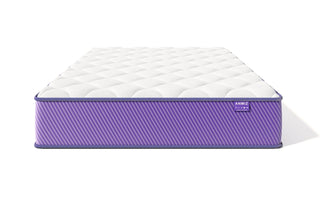
Atlas Mattress is a heavy-duty, innerspring-forward lineup built for long-haul support, stable edges, and a cooler, more buoyant feel than most foam beds. In our testing, the firmest builds favored back sleepers and larger bodies, while the plush builds did a better job of easing shoulder and hip pressure. If you want strong structure and durability, Atlas is compelling; if you crave deep foam hug, it’s not the point.
Product overview
| Mattress | Overall Score | Pros | Cons | Ideal For | Price |
| Atlas 4200 | 4.2 | Balanced pushback, resilient surface, stable edges | Not the softest at shoulders for lighter side sleepers | Back/combination sleepers wanting buoyant support | - |
| Atlas Cool Max 5000 Firm | 4.4 | Very strong support, cool-to-touch surface, excellent edge stability | Firm feel can feel “flat” for pressure relief | Back sleepers, heavier bodies, anyone who hates sink | $1,199–$2,099 |
| Atlas 5100 Plush | 4.3 | Even balance of cushion and structure, strong durability profile | Not as pressure-soft as the 5200 for strict side sleepers | Stomach/combination sleepers who still want some cushion | - |
| Atlas 5200 Plush | 4.3 | Best pressure relief in the group, still holds alignment well | Softer surface reduces “snap-back” for fast position-changers | Side sleepers who still want a sturdy perimeter | $2,499.99+ |
What stood out to our test team
Across the lineup, we kept coming back to how “structural” the Atlas feel is: edge security and lumbar steadiness were the consistent strengths. Marcus liked the firmer builds for avoiding hammocking, while Mia favored the plush build when her shoulder started complaining. I found the 5100 and 5200 easiest for mixed back/side nights, and the 5000 the most consistent for mornings when my lower back felt tight.
Atlas Mattress comparison chart
| Spec / Test Area | Atlas 4200 | Atlas Cool Max 5000 Firm | Atlas 5100 Plush | Atlas 5200 Plush |
| Mattress type | Innerspring | Wrapped coil | - | - |
| Coil system | 1250 individually wrapped innerspring system | 1250 fully nested and individually wrapped coils | 1250 fully nested and individually wrapped coils | 1250 individually wrapped coil system |
| Comfort materials (verified) | Premium latex upholstery foam; 2.5 lb polyurethane foam | - | - | - |
| Hand tufting | Yes | Yes (16 hand-secured tufts) | Yes (16 hand-secured tufts) | Yes |
| Cooling feature (verified) | - | Cool-to-touch cover with frost fiber technology | - | Frost Fiber sleep surface |
| Profile (verified) | - | - | 14.75″ | 15″ |
| Weight rating (verified) | - | Rated up to 1000 lbs | Rated up to 1000 lbs | Rated up to 1000 lbs |
| Warranty (verified) | - | 25-year, 1/2″ body impression | 25-year, 1/2″ body impression | 25-year |
| Support (test result) | Strong, buoyant, steady lumbar | Exceptionally firm and level | Supportive with noticeable cushion | Supportive under the plush top |
| Pressure relief (test result) | Good overall; shoulders can feel “up” for light side sleepers | Fair for strict side sleepers | Good balance for mixed positions | Best for shoulders/outer hips |
| Motion isolation (test result) | Good for a coil bed | Very good; firm surface helps | Good; small ripples persist | Good; plush top dampens some vibration |
| Edge support (test result) | Confident sitting edge | Best-in-line edge stability | Very strong edge | Strong edge even with softer top |
How we tested these Atlas mattresses
We cycled each mattress through the same routine: back and side alignment checks, longer sit-on-edge sessions, and repeated roll-and-return drills to judge responsiveness. For cooling, we tracked heat buildup during longer stretches and paid special attention to Marcus’s feedback as a hot sleeper. Pressure relief came from extended side-lying and shoulder/hip “hot spot” checks, while motion isolation was assessed with partner-movement simulations and drop tests. Durability scoring leaned on materials, build intent, and how the surface felt after weeks of normal use.
Atlas Mattress: our testing experience
Atlas 4200
Our testing experience
The 4200 felt like the “classic Atlas” balance: I could feel the mattress push back under my hips without turning the top into a board. On my back, my lumbar stayed level when I read in bed and slid into a half-reclined laptop posture. Marcus immediately checked for sag and didn’t find that hammock dip he hates. Mia’s shoulder didn’t get crushed, but she noticed she rode a bit higher when she curled into her side position. Jamal liked the springy, latex-tinged response when he rolled over fast.
What we liked
- Buoyant support that keeps hips from drifting
- A stable sitting edge for morning routines
- Easy turning without feeling stuck
Who it is best for
- Back and combination sleepers
- People who want structure without an overly hard top
- Sleepers who value easy movement
Where it falls short
- Lighter side sleepers who need deeper shoulder sink
- Anyone seeking a slow, memory-foam hug
Pros & cons
| Pros | Cons |
| Resilient surface; easy to move | Not the plushest for shoulders |
| Strong perimeter stability | Less “cushiony” feel than 5200 |
| Balanced support through the midsection | - |
Details
- Price: -
- Mattress type: Innerspring
- Coil system: 1250 coil individually wrapped innerspring system
- Comfort materials: premium latex upholstery foam; ultra high density 2.5 lb polyurethane foam
- Hand tufted: Yes
- Cooling: -
- Trial period: -
- Warranty: -
- Shipping: -
Review score
| Metric | Score | Remarks |
| Support | 4.2 | Steady hip support and good lumbar level on back |
| Cooling | 4.0 | Neutral temperature over a full night, no heavy heat pockets |
| Pressure Relief | 4.1 | Good overall, but shoulders stay a bit elevated for lighter side sleepers |
| Motion Isolation | 3.9 | Dampened for coils, but a bit of ripple remains |
| Responsiveness | 4.2 | Quick turn-and-settle behavior |
| Edge Support | 4.2 | Stable sitting edge with minimal collapse |
| Durability | 4.5 | High-density foam and hand-tufted build intent reads long-term |
| Overall Score | 4.2 | Strong “all-rounder” if you want bounce and structure |
Atlas Cool Max 5000 Firm
Our testing experience
This is the mattress that reminded me what “firm” actually means. The surface stayed level when I shifted from my back to my side, and in the morning my lower back felt calmer than usual—more like the bed kept my hips from wandering overnight. Marcus loved it for the same reason: he could drop into the mattress without that center sag. Mia, on the other hand, tapped out first on her side; her shoulder didn’t get the sink it wanted. Jamal appreciated the quick rebound for turning, but he had to be deliberate about adding a pillow under his knees when he stayed on his back for a long stretch.
What we liked
- Extremely stable support and alignment
- Cool-to-touch cover feel early in the night
- Best edge security in the group
Who it is best for
- Back sleepers and heavier bodies
- Anyone who hates deep sink
- People who sit on the edge often
Where it falls short
- Lightweight or sensitive-shoulder side sleepers
- Fans of plush, slow-melting foam comfort
Pros & cons
| Pros | Cons |
| Firm, level support | Pressure relief is limited for strict side sleepers |
| Cool-to-touch surface and strong airflow feel | Can feel too “flat” if you want plush cushion |
| Excellent edge stability | - |
Details
- Price: 2,099
- Mattress comfort level: Firm
- Mattress top: Tight top
- Mattress construction: Wrapped coil
- Cooling: cool-to-touch cover with frost fiber technology
- Coil system: 1250 fully nested and individually wrapped coils
- Edge: ultra-high density foam encased seating edge
- Weight rating: rated up to 1000 lbs
- Warranty: 25-year, 1/2″ body impression
- Trial period: -
- Shipping: -
Review score
| Metric | Score | Remarks |
| Support | 4.7 | Best-in-line lumbar steadiness and hip control |
| Cooling | 4.5 | Cool cover feel and lower heat buildup for Marcus |
| Pressure Relief | 3.6 | Firmness limits shoulder sink for side sleepers |
| Motion Isolation | 4.1 | Firm surface reduces bounce-through |
| Responsiveness | 4.4 | Fast repositioning with minimal drag |
| Edge Support | 4.6 | Outstanding sitting and lying-edge stability |
| Durability | 4.7 | Heavy-duty design cues and long warranty structure |
| Overall Score | 4.4 | Top pick if your priority is firmness and structure |
Atlas 5100 Plush
Our testing experience
The 5100 was the easiest “default” bed in the line for my mixed-position nights. I could feel a cushion layer on first contact, but the support caught me before my hips sank too far—especially on my back. Marcus didn’t get the same rock-solid feel he got on the 5000, but he still felt supported when he started on his stomach. Mia finally got enough give to stop her shoulder from feeling pinned, though she still preferred the softer 5200 when she stayed on her side all night. Jamal liked the balance: a bit of plushness, but still a fast, coil-forward response when he flipped positions.
What we liked
- Strong support with a more forgiving surface
- Good compromise across positions
- Very stable edge feel
Who it is best for
- Combination sleepers
- Stomach sleepers who want cushion without collapse
- Couples who want a sturdy perimeter
Where it falls short
- Strict side sleepers seeking the softest shoulder relief
- People who want an ultra-firm surface
Pros & cons
| Pros | Cons |
| Even balance of cushion and structure | Not as pressure-soft as 5200 |
| Strong edge support and easy turning | Not as firm as 5000 for “no-sink” fans |
| Durable build intent | - |
Details
- Price: -
- Firmness: Mid-level firmness
- Profile: 14.75″
- Coil system: 1250 fully nested and individually wrapped coils
- Edge: ultra-high density foam encased seating edge
- Weight rating: rated up to 1000 lbs
- Hand tufting: 16 hand-secured tufts
- Warranty: 25-year, 1/2″ body impression
- Trial period: -
- Shipping: -
Review score
| Metric | Score | Remarks |
| Support | 4.4 | Strong alignment for back and stomach starts |
| Cooling | 4.2 | Stayed comfortable with moderate heat retention |
| Pressure Relief | 4.2 | More shoulder/hip give than 5000 without losing structure |
| Motion Isolation | 4.0 | Partner movement is present but muted |
| Responsiveness | 4.1 | Quick repositioning without springy “recoil” |
| Edge Support | 4.4 | Secure perimeter for sitting and edge sleeping |
| Durability | 4.6 | High-support build profile with long-term design emphasis |
| Overall Score | 4.3 | Best blend of comfort and structure for most sleepers |
Atlas 5200 Plush
Our testing experience
The 5200 was the one Mia kept coming back to, mainly because her shoulder finally sank enough that her neck stopped “reaching” for support. For me, it felt like a softer landing with a strong chassis underneath: I got pressure relief when I drifted onto my side, but when I rolled back, I didn’t feel my hips sink and stay there. Marcus was surprised that it didn’t turn to mush under him—he still felt a stable base—but he preferred the 5000 when he wanted maximum firmness. Jamal liked the calmer surface at night; it damped the initial bounce and felt less reactive when he settled.
What we liked
- Best pressure relief of the four
- Still supportive through the middle
- Strong edge feel for a plush top
Who it is best for
- Side sleepers who need joint relief
- Combination sleepers who want softer contact
- People who want plush without instability
Where it falls short
- Those who want the fastest rebound feel
- People who only like firm, flat surfaces
Pros & cons
| Pros | Cons |
| Most comfortable for shoulder and hip pressure | Less “snap” for fast position changes |
| Plush feel without weak edges | Not as firm as the 5000 |
| Durability-forward build cues | - |
Details
- Price: $2,499.99+
- Mattress type: Innerspring
- Mattress comfort: Super Plush
- Profile: 15″ mattress profile
- Coil system: 1,250 individually wrapped coil system
- Weight rating: rated for 1000 lbs
- Cooling: Frost Fiber sleep surface
- Design: single sided (no flip)
- Warranty: 25 year
- Trial period: -
- Shipping: -
Review score
| Metric | Score | Remarks |
| Support | 4.2 | Plush top, but the core keeps hips from drifting |
| Cooling | 4.3 | Cool surface feel and steady overnight temperature |
| Pressure Relief | 4.6 | Best shoulder/outer-hip relief in the lineup |
| Motion Isolation | 4.0 | Plush surface absorbs movement, but coils still carry some motion |
| Responsiveness | 3.9 | Comfortable, slightly slower “settle” than firmer models |
| Edge Support | 4.3 | Secure perimeter even with a softer top |
| Durability | 4.6 | Built as a long-term mattress with heavy-duty design intent |
| Overall Score | 4.3 | Best for pressure relief without giving up structure |
Performance score comparison across these mattresses
| Mattress | Overall Score | Support | Pressure Relief | Cooling | Motion Isolation | Durability | Responsiveness | Edge Support |
| Atlas 4200 | 4.2 | 4.2 | 4.1 | 4.0 | 3.9 | 4.5 | 4.2 | 4.2 |
| Atlas Cool Max 5000 Firm | 4.4 | 4.7 | 3.6 | 4.5 | 4.1 | 4.7 | 4.4 | 4.6 |
| Atlas 5100 Plush | 4.3 | 4.4 | 4.2 | 4.2 | 4.0 | 4.6 | 4.1 | 4.4 |
| Atlas 5200 Plush | 4.3 | 4.2 | 4.6 | 4.3 | 4.0 | 4.6 | 3.9 | 4.3 |
The numbers tell a clean story: the 5000 is the most “specialist” bed, with a clear advantage in support and edge stability but a visible trade-off in pressure relief. The 5100 and 5200 are the most even overall, with the 5200 clearly winning on pressure relief and the 5100 staying more neutral across positions. The 4200 lands as a sturdy, responsive option that’s balanced but not as distinct in any single category as the 5000 or 5200.
How to choose an Atlas Mattress
If you want the firmest, most stable feel for back sleep and heavier bodies, start with the Cool Max 5000 Firm. If you split time between back and side and want one “do-it-all” bed, the 5100 Plush is the safest pick. If you’re a sensitive-shoulder side sleeper who still wants a strong perimeter, the 5200 Plush is the best match. If you want a buoyant, latex-forward feel without going ultra-plush, the 4200 is the most straightforward.
Limitations to keep in mind
Atlas is built around coil-forward structure, so sleepers who want deep, slow foam hug can feel underwhelmed. The firmest model can feel too flat for lighter side sleepers, while the plushest model can feel less snappy for people who turn constantly. If you need a true “sink-in” surface or very high motion-dampening typical of thick all-foam designs, this lineup won’t feel like home.
Atlas Mattress vs alternatives
Reasons to choose Atlas: edge security, a structure-first feel that holds alignment, and a durability-forward approach with heavy-duty coil systems. If you want a premium innerspring with multiple firmness choices and strong airflow, Saatva Classic is a logical cross-shop. If you want a hybrid lineup with multiple firmness options including a heavier-person build, WinkBed is another clean alternative. For a latex-forward, certified-organic materials story in a coil-and-latex hybrid, Avocado Green Mattress is the most direct comparison.
Pro tips for Atlas Mattress
- Give your body at least a full workweek on a new feel before judging pressure points.
- If you choose the 5000 Firm and feel low-back tightness, try a thin pillow under your knees for back sleeping.
- Side sleepers on the 5000 should prioritize a higher-loft pillow to keep the neck level.
- On plush models, use a slightly firmer pillow to avoid over-flexing the neck when the shoulder sinks.
- Rotate the mattress on a regular schedule to keep wear patterns from developing in one spot.
- Use a stable, supportive foundation; a flexy frame can make even a firm mattress feel less supportive.
- If you sleep hot, keep breathable bedding simple; heavy comforters can mask cooling benefits.
- For edge sleepers, test your normal “edge third” position early—Atlas tends to be strong here, but plush tops can still feel different.
- If you’re a restless turner, prioritize responsiveness over plushness; the 5100 is typically easier to move on than the 5200.
FAQs
Does the firm model still isolate motion well?
It does well for a coil mattress; the surface is firm enough that movement doesn’t amplify across the top.
Which model helps most with shoulder pressure?
The 5200 Plush was the clear winner for Mia’s shoulder comfort.
Which one feels easiest to move on?
The 5000 is quickest to turn on, while the 5200 feels slightly slower because of the softer surface.


