Other Mattresses for Teenagers We Researched
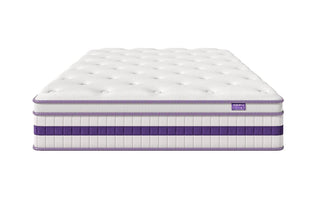
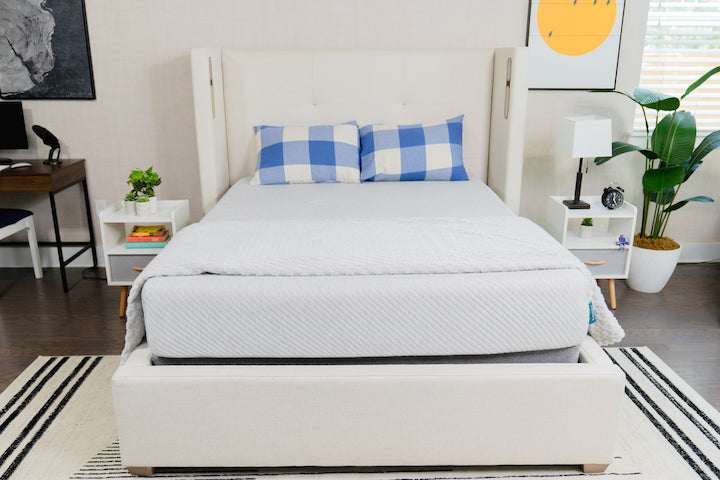
Didn’t find what you were looking for? Here are a few other beds we’ve reviewed that could be a great fit for your teen:
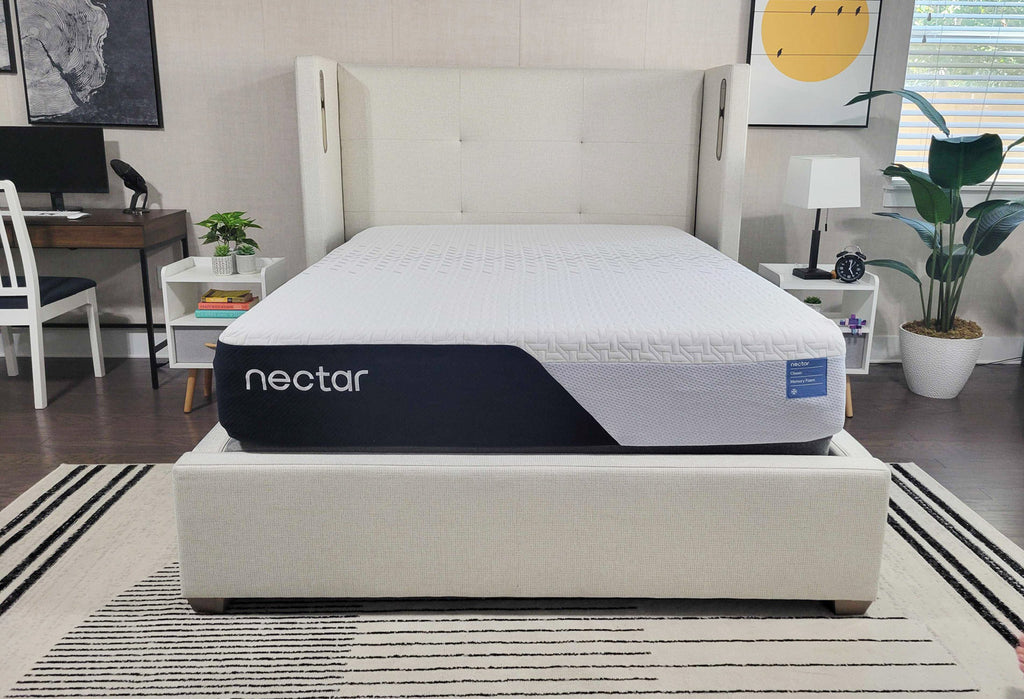
- Nectar Classic Hybrid – Nectar’s flagship foam mattress earned our top spot for its affordable quality, but if your teen prefers a bed with coils, the Classic Hybrid is a solid upgrade. It has the traditional memory foam feel with soft, contouring pressure relief and support from the coils beneath. However, it may be too soft for some teens, especially those who need firmer support during growth spurts.
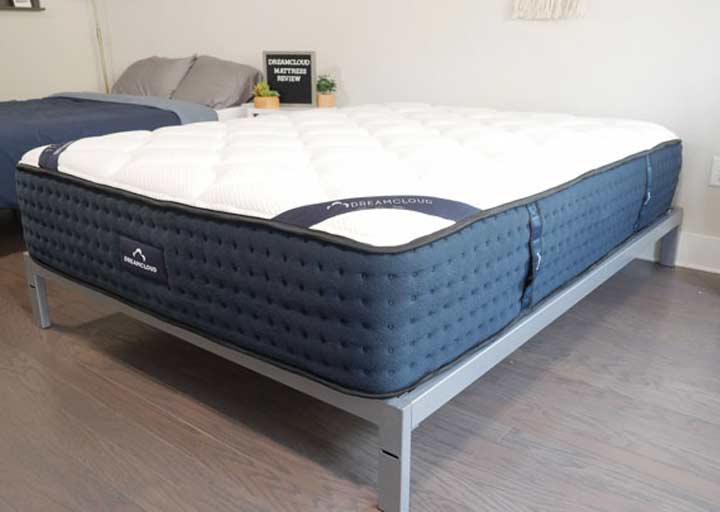
- DLX Classic – This two-sided mattress is flippable for longer-lasting durability. It comes in multiple firmness options, including a Medium model with a cushy foam layer that can be inserted for extra comfort. It's responsive, pressure-relieving, and has strong edges. I’d call it “simple but effective,” though it’s not as affordable as some other options, starting at $699 for a twin with sales and discounts.
- Birch – The Birch Natural is a latex hybrid mattress made with Talalay latex, organic cotton, and organic wool. It offers a clean, hypoallergenic sleeping surface that’s great for the environment while being incredibly bouncy and supportive. However, it’s on the pricier side. If you’re looking for a softer feel, adding a pillow top will raise the cost even further.
How We Tested the Best Mattresses for Teens
When it comes to teenagers' sleep needs, the American Academy of Sleep Medicine (AASM) recommends that teens aged 13 to 18 get eight to 10 hours of sleep every night. However, studies show that more than half of them manage to get less than eight hours. With all the pressures teens face, the last thing they need is to deal with an uncomfortable mattress when it's time to sleep.
To help you and your teen find the right mattress for a restful night, we focused on the most important factors. These mattresses should be affordable but also durable enough to last your teenager through their growing years while keeping them comfortable. Let’s take a closer look at how we narrowed down our top picks.
Affordability
A mattress can cost anywhere from a few hundred dollars to over a thousand. Luckily, most teenagers are comfortable on a twin mattress, which is the smallest and most affordable option. Other popular choices are twin XL and full-size mattresses. But no matter which size you pick, you’ll want to find a quality mattress that’s comfortable for your teen without breaking the bank.
Determining a mattress’s value can be tricky, especially with bed-in-a-box options designed to save you money. If you want to do your own research, check the bed’s construction. Look for dense, high-quality foams and innerspring units with a high number of pocketed coils. The manufacturer’s terms can sometimes be confusing, so it’s a good idea to read reviews on and off the manufacturer’s site to get real customer feedback.
Another important factor is the sleep trial, which lets you test the mattress before fully committing. While this is a great way to make sure the mattress is a good fit, setting it up only to return it can be a hassle.
You can trust us to help you navigate these decisions. We’ve thoroughly evaluated these mattresses from top to bottom, and we’ll never recommend an overpriced bed. We’ll also highlight extra-good deals and let you know when spending a bit more might be worth it. Our list includes a mix of budget-friendly options, solid mid-range picks, and even a luxury mattress for those with bigger budgets. And don’t forget—waiting for big sales, like Labor Day or Black Friday, can help you score a great deal!
Durability
While your teen might not take their mattress with them when they first move out, it’s still an investment that should last for years. You’ll want a bed that’s durable enough to handle the changes they go through during these years of growth.
The typical lifespan of a mattress is anywhere from 5 to 10 years. This works for most people, but if you have multiple children or plan to use the mattress as a guest bed later on, you might want something that lasts even longer. For this reason, we often recommend beds with innerspring coils over foam mattresses, as they tend to hold their shape better thanks to the steel coils inside. Foam mattresses can be more affordable, though, so if you decide on a foam bed, look for one with super-dense, firmer layers at the bottom to ensure durability.
Another important factor to consider is a mattress’s edge support. Edge support refers to how much the perimeter of the bed dips when you apply weight, whether from sitting or lying down at the edge. We view edge support as a key indicator of durability because if the edges don’t sag easily, the mattress is less likely to wear out prematurely. You can check out our ratings for each mattress’s edge support as a preview of its overall durability.
It’s also important to remember that you should replace your mattress every 5 to 10 years—or whenever it starts showing signs of sagging or significant wear and tear. Most mattress warranties fall within this range, and that’s no coincidence. Longer warranties often signal a more durable mattress, as they reflect the brand’s confidence in how long the bed will last. Some brands offer warranties of 15 years, 25 years, or even a lifetime, which is another strong sign of product quality.
Mattress Size
The most popular mattress size is queen, but those are typically used in primary bedrooms by adults who share the bed. Teens usually sleep alone, so a twin-size mattress might be a good fit. The best part? Twin beds take up less space and cost less than larger options. However, it’s important to remember that teens are still growing.
If a teen fits a regular twin-size bed now, they might outgrow it in a couple of years. For this reason, it might be worth considering a twin XL (which is a few inches longer than a regular twin) or a full-size mattress, especially for those with a larger frame, to accommodate their growth.
Thankfully, all the beds on this list come in twin, twin XL, and full sizes, making it easier to find the perfect fit for your teen.
What Else Is Important When Buying a Mattress for Teens?
Aside from the factors mentioned earlier, teens may have personal preferences that go beyond budget and mattress size. Here are some other things to consider that could influence your final decision when choosing a new mattress.
Type of Mattress
There are many different types of mattresses, and there’s no one-size-fits-all solution for teenagers. Each mattress type has its own set of pros and cons depending on what your teen needs. Here’s a closer look at how different mattress types might work for teenagers (or not).
Memory Foam
As the name suggests, memory foam mattresses use memory foam in their comfort layers, typically with firmer polyfoam underneath. Memory foam is great for pressure relief, as it contours to the body. These mattresses can also include other types of synthetic foams that aren’t traditional memory foam but still provide a similar dense, cushy feel. You can find quality memory foam mattresses at various price points.
However, memory foam tends to trap heat, so it might not be the best choice for teens who tend to overheat while they sleep. Additionally, all-foam mattresses may not be as durable as those that include coils or latex.
Innerspring
Innerspring mattresses use coils (or springs) beneath one or two layers of softer material. The coils give these mattresses a bouncy, responsive feel and provide solid support, making them a good choice for back and stomach sleepers, as well as teens who are heavier. The coils also promote airflow, helping the mattress sleep relatively cool.
However, because innerspring mattresses don’t have thick comfort layers, they might not offer as much body contouring or pressure relief. Over time, they can also become noisy, which might disturb a sibling’s sleep if they share the room.
Hybrid
Hybrid mattresses combine coils with softer comfort layers on top, offering the benefits of multiple mattress types. The comfort layers can be made from foam, latex, wool, or other materials, making hybrids some of the most versatile options available. They generally provide a good balance of pressure relief and support, which works well for multiple sleep positions and different sleeper types.
However, because they use a mix of materials, hybrids are often on the pricier side. Some sleepers might not enjoy the more supportive feel, as even hybrids with thick memory foam layers often give an “on top” feeling rather than allowing you to sink deeply into the bed.
Latex
Latex mattresses are made from either natural or synthetic latex, which can be processed in different ways. The Dunlop method creates a dense, elastic, and supportive material that's firmer at the bottom. Talalay latex is more evenly distributed, less dense, and often considered the more premium option. Latex is naturally buoyant and cooling, making it a great choice for teens who tend to sleep hot or switch between different sleeping positions.
However, due to their eco-friendly and natural materials, latex mattresses can be on the pricier side for a teenager’s mattress. They also don’t provide the same body-contouring feel as traditional memory foam mattresses.
Sleeping Position and Body Type
“A medium-firm mattress is generally the best to achieve a balanced, versatile feel,” says Dr. Raj Dasgupta. “But the ideal firmness for your needs depends on your primary sleeping position and body weight.” Some teens might need a softer or firmer mattress than the typical medium-firm recommendation. For example, growing pains may lead some teens to prefer a firmer mattress. It’s important to consider all these factors when choosing the right firmness for your teen.
Here’s what we generally recommend for each sleeping position:
Side sleepers should go for a softer mattress, as they need ample pressure relief around the shoulder and hip.
Back sleepers will likely do well on a medium or medium-firm mattress, which offers a good balance of spinal support and pressure relief for the lower back.
Stomach sleepers need firmer mattresses to keep their hips elevated and aligned with the spine.
Combination sleepers may prefer a mattress with more bounce, like one with coils or latex, as it makes it easier to move around and switch positions.
Depending on body weight, mattresses can feel either too soft or too firm compared to what’s advertised. For teens over 230 pounds, a firmer mattress is usually best to ensure proper support, while teens under 130 pounds may find a softer mattress more comfortable, allowing them to sink in for better pressure relief.
Pressure Relief and Support
Because teenagers’ bodies are still growing, they’re often more prone to growing pains and muscle aches. That’s why it’s a good idea to look for a mattress that contours to the body and provides pressure relief, especially around common pain points like the shoulders and hips. The best mattresses for pressure relief typically feature softer, cushioning materials like memory foam and latex at the surface, helping to ease discomfort and provide a more restful sleep.
We test pressure relief by having our testers lie on their side and back, as these are the positions that benefit most from this metric. Testers of various body types lie on the bed while a mat beneath them records where pressure builds up along their body. This helps us understand which sleeper types will get the most pressure relief from a mattress. Our testers also provide verbal feedback about their comfort and rate how they feel out of 5, which contributes to our final pressure relief score.
However, it’s not enough for a mattress to just be soft and pressure-relieving. It also needs to provide support. Studies show that medium-firm mattresses are best for maintaining proper spinal alignment, which is especially important for a growing body. As we mentioned earlier, the ideal firmness for your teen can depend on their body type and sleeping positions. The most important thing is that the mattress isn’t too soft to be supportive, nor so firm that your teen can’t sink comfortably into it.
Company Policies
Teens can be picky, and their physical and emotional needs are always changing. That’s why it can be helpful to choose a mattress with a long sleep trial. This gives your teen plenty of time to decide if the mattress works for them as they continue to grow. Most brands offer sleep trials ranging from a few months to a full year, and if you initiate a return within that period, you’ll usually get a full refund.
Also, don’t overlook the warranty. Not only does it give you an idea of how long the mattress is expected to last, but it’s important to understand the details in case something goes wrong. Most warranties last between 10 to 15 years, though some brands offer lifetime warranties that cover the mattress indefinitely. Just make sure your teen treats the mattress with care—using a mattress protector and ensuring it’s on the right base—so the warranty stays valid.