Other Mattresses for Kids We Researched
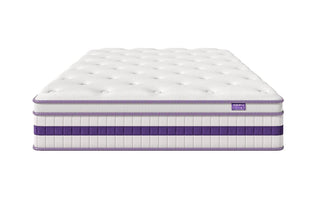
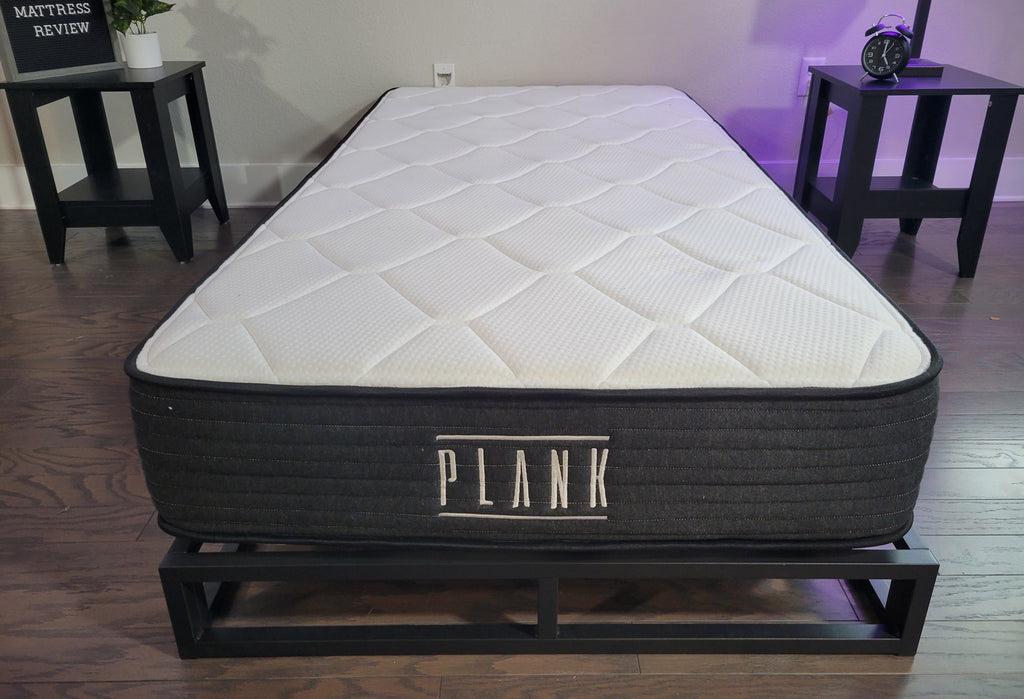
Didn’t find what you were looking for in the list above? Here are a few other kids' beds we tested:
- Brentwood Juniper – The Juniper mattress has a cute striped pattern and is marketed as one of the best options for bunk beds. Our young tester really liked how it felt on his back, with a surprisingly softer feel in this position. However, it did run a little hot, so we wouldn’t recommend it for kids who tend to overheat.
- 5 Little Monkeys – This 8” memory foam mattress has a slightly firmer feel but still provides good pressure relief for kids who sleep on their back or side. It comes in twin and full sizes, and it’s also available in a queen-size, which could be handy for kids who share a bed or if you sometimes use their room as a guest room. Our testers stayed pretty cool during testing, though we found the edge support could use a little improvement.
- Nectar Classic – The Nectar Classic is an all-foam mattress with a cushy yet supportive feel, which should appeal to many young sleepers. It has that traditional memory foam feel but is a bit firmer on our scale, helping keep growing bodies supported and aligned. While Nectar offers a mattress specifically made for kids, we chose this one over their flagship foam model for its more supportive design.
How We Tested the Mattresses for Kids
Kids can be super picky, which makes it tough to pick a mattress that will keep up with their changing preferences. To help you find the right bed for your child, here’s what we focused on when narrowing down the best kids' mattresses available.
Versatile Feel
Sleep is crucial at all stages of life, but especially in the early years. Kids under 12 need more sleep to stay energized and focused during the day. While there’s no one-size-fits-all rule, generally speaking, kids younger than seven should sleep on a firmer mattress to support proper spinal alignment. Starting at age eight, you can introduce softer mattresses. A durable, easy-to-clean mattress can be important for handling any accidents.
Just like clothes, kids can outgrow a mattress. For infants and toddlers (0-3), a firm mattress is best for safe sleep. For kids aged 3-7, a firm to medium-firm mattress helps with posture. Kids between 8-12 may prefer a softer mattress with more cushioning. By the time kids reach 12, they may have their own preferences when it comes to firmness and feel.
Support and Pressure Relief
A versatile mattress needs to provide plenty of support and pressure relief. "A mattress that strikes a balance between support and pressure relief offers the most comfort for sleepers of all ages," says Dr. Raj Dasgupta. "A supportive mattress will keep your spine aligned, while a pressure-relieving mattress will cradle pressure points, easing discomfort and pain."
To evaluate support, we had our testers lie in different sleeping positions (side, back, and stomach) to see if they felt their spine was properly aligned. The best alignment follows the natural S-curve of the spine, which is especially important for growing children. A supportive mattress can help ease growing pains too.
Pressure relief is important for sensitive joints like the knees, hips, and shoulders. To test a mattress’s pressure relief, our testers lie on their back and side—positions that need the most relief. They note whether any pressure builds up along their body and rate their overall comfort out of 5.
In some cases, we use a specialized mat that records which areas of the body experience the most pressure. The result is a color-coded map that shows high-pressure areas (in red and yellow) and low-pressure areas (in blue and green), along with an overall average pressure reading. This gives us a more objective assessment of our tester’s experience. The final pressure relief rating out of 5 is the average of all our testers' scores.
The pressure that builds up along the body varies between children and adults. Adults tend to feel more pressure in the hips and shoulders, while children usually experience it near their head and heels. Whenever possible, we had testers under the age of 13 try these beds. If that wasn’t possible, our lightweight or average-weight testers stepped in, noting any differences kids might feel.
Durability
Kids are often restless sleepers, and many love jumping or roughhousing on their bed, so their mattresses go through more than just growth stages. That’s why it’s important that these beds are built to last through all that activity.
If you’re looking for a durable mattress, I always recommend coil mattresses over foam ones, since coils help the mattress keep its shape. But if you do choose a foam mattress, make sure it has dense, high-quality layers, including a strong support core.
Also, look for mattresses with strong edge support. We use this metric for durability because it shows how likely the mattress is to sag over time. If the edges hold up well under weight, there’s a good chance the rest of the mattress will stay in shape, even with regular use. To assess edge support, we sit and lie down along the perimeter, checking how much it sinks and how secure we feel in each position, then rate it out of 5.
Lastly, take a look at the brand’s warranty. The warranty is like a preview of how long the mattress will last. Most mattresses are built to last around seven to ten years, which is why a 10-year warranty is the most common. But some brands offer 15-year, 25-year, or even lifetime warranties, which shows they have a lot of confidence in their product.
What Else Is Important When Buying a Mattress for Kids?
If the big categories I mentioned earlier still haven’t helped you make up your mind, here are a few other things you and your kid might wanna think about before pulling the trigger on that final buy.
Type of Mattress
The kind of mattress you pick for your kid is gonna decide how it feels overall and a bunch of other performance stuff that might be more suited for certain types of sleepers.
Foam
All-foam mattresses are made up of several foam layers. These could be the classic memory foam or other types of synthetic foams. The end result is this soft, sometimes sluggish feel that molds to your body. Foam beds are a go-to for pressure relief, plus they tend to be more budget-friendly. On the flip side, they can trap heat, and they’re not usually the most bouncy.
Innerspring
Innerspring mattresses are some of the oldest and most classic types. These beds are mostly made up of a bunch of connected coils. That’s what gives the bed a bouncy, supportive feel. You’re probably gonna feel more like you're “on top” of the mattress instead of sinking into it, since there aren’t thick comfort layers. The coils let air flow through pretty easily, which helps keep things cool, but they don’t do much when it comes to relieving pressure or molding to your body.
Hybrid
Hybrid mattresses mix the best of both foam and spring mattresses. They’ve got soft comfort layers made of foam, latex, or other plush materials, plus a solid coil unit underneath for support. This is the most flexible type of mattress, since the build can vary a lot from one model to another. Most of the time, they strike a good balance between pressure relief and support. The downside? They can be pricier than all-foam or innerspring mattresses.
Latex
Latex mattresses are a favorite for people who care about the environment. Latex comes from the rubber tree and gives you this super buoyant, pressure-relieving feel that’s different from regular memory foam. It’s also hypoallergenic, and if you’re really focused on being eco-friendly, there are lots of organic latex options. The catch is that these mattresses tend to be more expensive, so they might not be the best choice for a kid’s bed.
Sleeping Position
“Your sleep position really affects the kind of mattress feel and firmness that’s best for you,” says Dr. Raj Dasgupta. While we generally suggest firmer mattresses for kids, they might not be so happy with that if they sleep in certain positions.
For instance, side sleepers usually go for softer mattresses. That’s because they need the mattress to give way around the hips and shoulders, letting their body sink in a bit while still relieving pressure in those spots. If your kid sleeps on their side, they might prefer a medium or medium-firm mattress rather than something super firm.
But if your child’s a stomach sleeper, a firm mattress could be just right for them. Stomach sleepers need strong support to keep their hips raised in that position. Back sleepers could probably go with a firm bed too—just make sure it has enough give in the lower back area to keep the spine properly aligned.
Mattress Size
Kids grow fast, often faster than you’d expect. If your child’s starting to feel cramped on their twin bed, upgrading to a twin XL gives them more room to stretch out—and it’ll be easier on your budget too.
Full-size mattresses are also a solid choice for a bigger-kid bed. As your child gets taller and needs more space, a full mattress is closer in size to a queen. It might even last them all the way through their teen years—or at least until they head off to college. Plus, it could come in handy as a guest bed once they’re done with it.
Safety Certifications and Allergies
When picking a bed for your little one, safety and materials are key. Studies show that many store-bought mattresses give off harmful emissions, like VOCs and SVOCs, which could negatively affect your child’s health. That’s why we’ve focused on finding a great selection of mattresses made with non-toxic, hypoallergenic materials to create a healthier sleep environment. We also included options made from organic cotton or natural latex, which are great choices if you’re concerned about allergens.
If your child has allergies, it’s best to go for an organic or all-natural mattress made with hypoallergenic materials. When shopping for anti-allergy bedding and mattresses, look for materials that resist allergens like dust mites, mold, and mildew. Some good options are certified organic Talalay or Dunlop latex, plant-based memory foams, organic cotton, and bamboo.
Many of the mattresses in the organic and all-natural category also use natural flame retardants, which is a plus if you’re trying to avoid mattresses with fiberglass. While these mattresses aren’t a cure for your child’s allergies, they can help keep things from getting worse by reducing the buildup of allergens they might be sensitive to.
Price
At the end of the day, buying a new mattress often comes down to price. A new bed can range from a few hundred bucks to thousands, and it can be tough to justify shelling out a lot for a kid’s mattress, especially since it may only get a few years of use.
That’s why we suggest weighing how long you’ll actually use the mattress against your budget. You might even plan on repurposing your child’s bed once they outgrow it, which could also play a role in deciding what type and size of mattress to buy. For example, while a full-size mattress might cost more, it could end up being a lot more useful as a guest bed down the line compared to a twin or twin XL.
No matter what your budget is, always make the most of any sleep trial offered. This is a window of time where you can test out the mattress before fully committing. Most mattress brands will give you a full refund as long as you return it within the trial period. If you can’t check the mattress out in person, a sleep trial is a great way to figure out if it’s worth the investment.