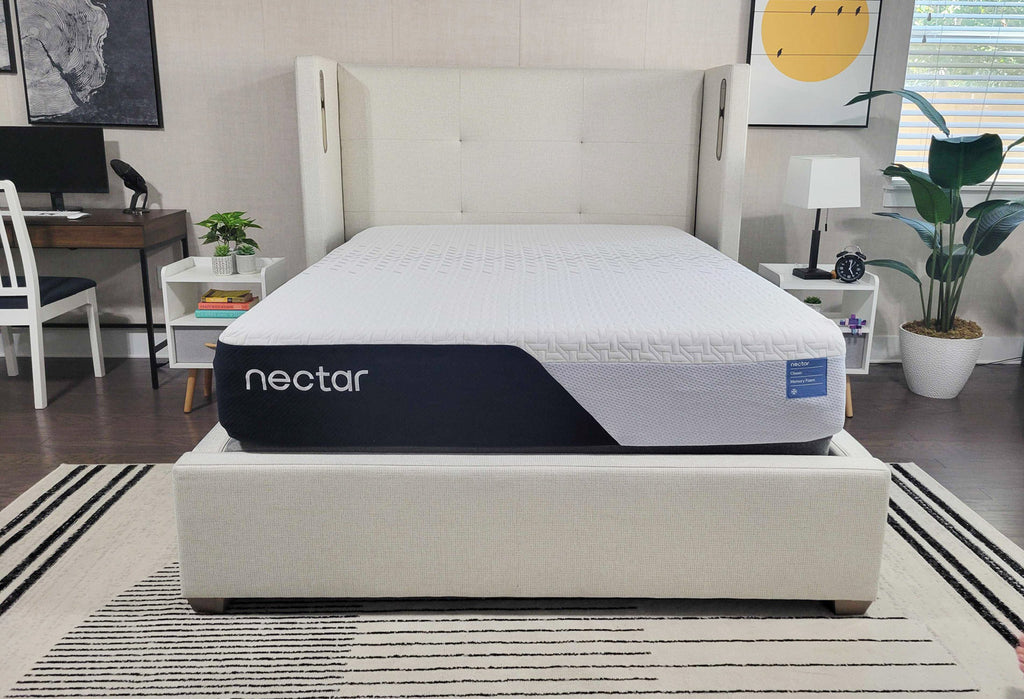
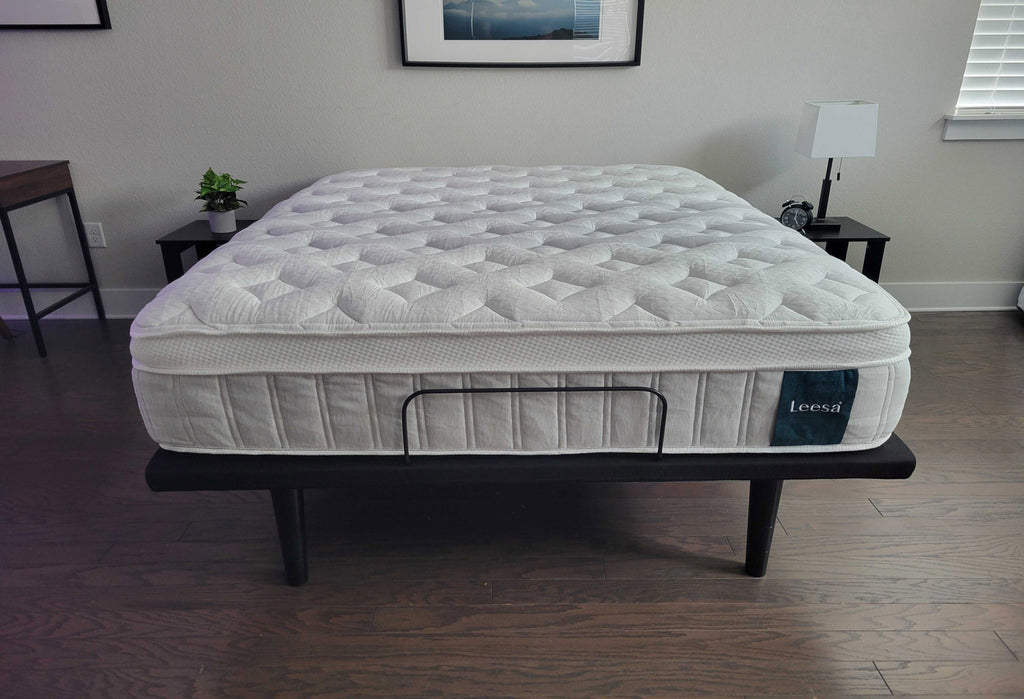
Other Full-Size Mattresses We Researched
The mattress market is huge, so there are plenty of great options that didn’t quite make it into my top ten. That said, these are still solid picks that could work for a lot of different sleepers. If nothing from this roundup caught your eye, you might want to check out these alternatives.
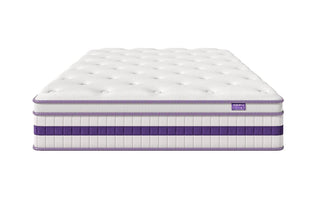
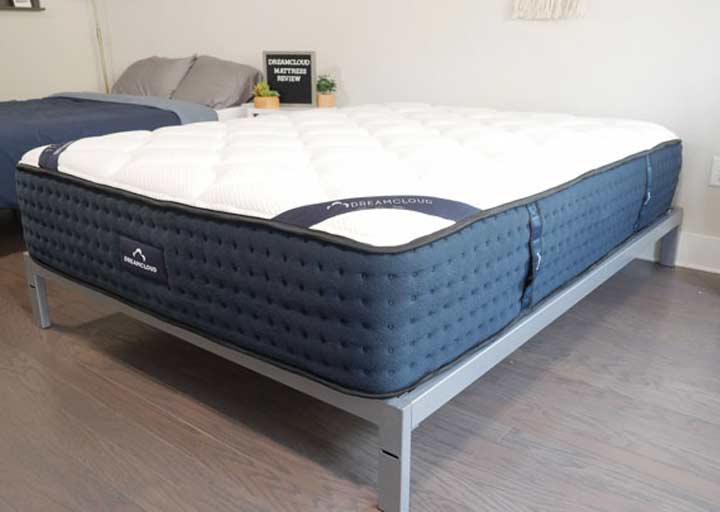
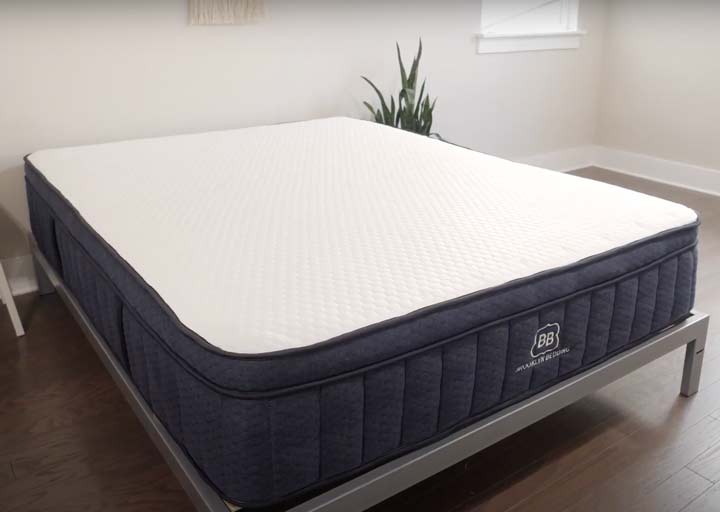
- Brooklyn Bedding Signature Hybrid: The Brooklyn Bedding Signature Hybrid is a medium-firm mattress that’s a solid budget-friendly option for back and side sleepers. It’s pretty straightforward and doesn’t have all the fancy features of some of the high-end beds on my list.
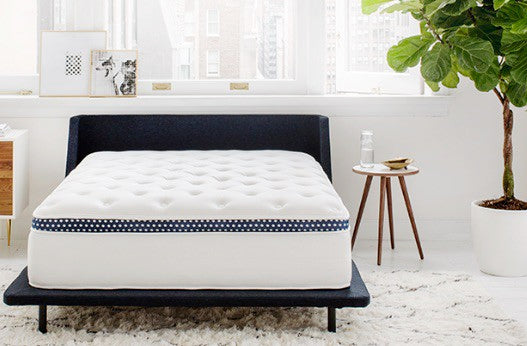
- WinkBed GravityLux: The WinkBed GravityLux is strong but plush, and it's great at isolating motion, making it a good choice for couples. That said, it has more of an "on" the bed feel, so it might not be the best pick if you're after that deep, memory foam hug.
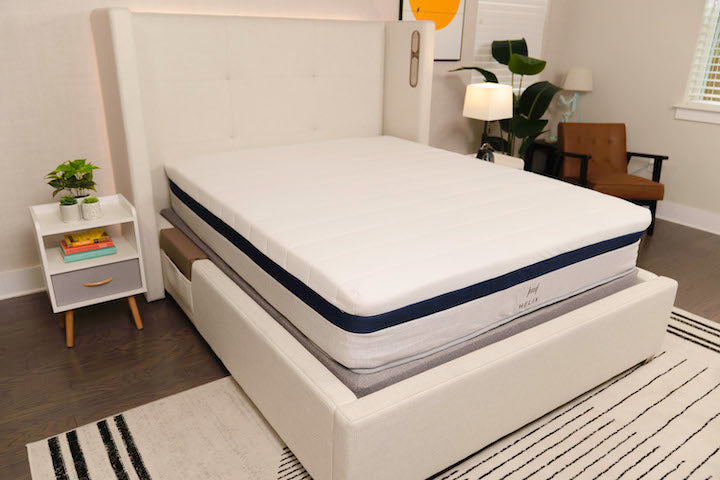
- Avocado Green: The Avocado Green mattress is an organic bed similar to the Birch Natural. It uses Dunlop latex, unlike the Talalay latex in the Birch. We found that the Avocado wasn’t as cooling or as affordable as the Birch, which is why it didn’t make my list.
How We Tested the Best Full-Size Mattresses
In our studio, we run a bunch of tests to figure out which types of sleepers each mattress works best for. We’ve cut these beds open, jumped on them, slept on them, and gathered all sorts of hard data to answer every question you might have about your new mattress. For full-size beds, we focused on key mattress factors that matter to all sleepers, no matter their sleeping position or weight. Here’s what we paid extra attention to during our testing.
Cooling
Overheating is a common worry for a lot of people before buying a mattress. We check cooling by looking at the bed’s materials and construction to see if the design lets air flow through, gets rid of heat, and helps keep the temperature in check. We check for cooling infusions in memory foam like gel, copper, and graphite, which pull heat away from your body. We also look for naturally cooling materials like latex and cotton. Innerspring coils are another plus since they add breathability and airflow.
Next, we gather solid cooling data using a thermal gun. First, we measure the mattress's temperature before anyone lies on it. Then, we have a tester lie down for seven minutes. Afterward, we measure the temperature again to see how much it warmed up. Usually, anything under a 5-degree increase is excellent, and anything under 10 degrees is pretty good. If the mattress warms up by more than 10 degrees, we don’t recommend it for cooling.
Support
We break support down into two categories—body support and edge support. When we’re scoring support, we look at how durable the support layer is. If it’s not up to par, the body might sink too deep into the mattress and bottom out. We look for steel coils or high-density foams that lift the sleeper up and keep the spine in a neutral, straight line. We also test each mattress with lightweight, average-weight, and heavyweight sleepers in all three sleeping positions. Our expert testers figure out where they feel the most support and where the support might not be as good.
We also pay attention to how sturdy the edges of the bed are. Ideally, the edges should offer the same level of support as the center of the bed. This is great for couples or solo sleepers who like to spread out and use the whole surface without feeling like they’re about to fall off. Since a full-size bed is smaller than a queen, there’s even less room for weak edge support, especially if you’re sharing the bed and tend to sleep near the edge. We test edge support by sitting and lying on the edges to see how well we feel supported. We also sit on the edge and use a measuring tape to check how much the layers compress to measure sinkage.
Durability
We figure out our durability score by looking at how the mattress performs in support, edge support, materials, and warranty policies. Support and edge support are key to preventing sagging too soon and making sure the sleeper stays supported for a long time. The quality of the materials also tells us a lot about durability, since cheaper materials tend to break down faster. The warranty is another clue about how durable a mattress is, since it gives us an idea of how long the retailer thinks the product will last. A lifetime warranty is ideal, but we suggest looking for warranties that last at least 10 years to make sure you get plenty of use out of the mattress.
What Else Is Important When Buying a Full-Size Mattress?
Besides the categories I’ve mentioned, there are a few other things you’ll want to think about before you hit "add to cart."
Mattress Type
There are a lot of different types of mattresses, each with its own pros and cons. Let’s break down the various types of full-size mattresses.
- Innerspring: Innerspring mattresses have been around for over a century. They’re known for their bounce, support, and breathability. If you’re a fan of more traditional mattresses, a full-size innerspring might be right for you. Plus, people who sleep hot or have trouble moving around at night should consider an innerspring mattress.
- Memory Foam: Memory foam is one of the most popular mattress types today. This space-age material offers fantastic pressure relief and molds to your body when you lie down. Memory foam is great for people dealing with pain, and side sleepers usually love it because it contours so well. The downside? It can trap body heat, so it might make you sleep hot.
- Hybrid: Hybrid mattresses, as the name suggests, combine two different types of mattresses. Typically, they mix the coils of an innerspring mattress with the soft comfort layer of memory foam. Hybrids are an excellent choice for sleepers who need both comfort and support.
- Latex: If you're looking for a more eco-friendly option, latex could be the way to go. Many latex mattresses are made from organic, all-natural materials. They tend to be more breathable and durable than other types of mattresses.
Sleeping Position
Different sleep styles need different levels of firmness, support, and pressure relief. For example, a mattress that helps stomach sleepers with spinal alignment might be too firm to properly relieve pressure for side sleepers. We talked to our chief medical advisor, Dr. Raj Dasgupta, to get advice on which beds work best for different types of sleepers, and he helped us create these general guidelines.
- Side Sleeping: Side sleepers should go for beds with a slightly soft, medium-soft, or medium-firm feel. You want some contouring and sinkage at the hips and shoulders to avoid pressure buildup, which can lead to pain.
- Back Sleeping: Back sleepers should stick to medium-firm mattresses that offer a good balance of spinal support and cushioning for the lower back. While they can sleep on soft or firm beds, they should double-check the support score of each mattress before buying.
- Stomach Sleeping: Stomach sleepers need to focus on firm mattresses that give great support to the hips. If the hips sink below the shoulders, the lower spine can form a U-shape, which can cause back pain if it's not corrected.
- Combination Sleeping: Combo sleepers should think about the two positions they sleep in most often and choose a bed whose firmness works for both. Usually, medium-firm is a safe bet because it tends to be good for a range of sleeping positions.
Body Type
Your weight can really affect how soft or firm a mattress feels to you. Lightweight sleepers under 130 lbs usually find mattresses to feel firmer because they don’t sink as deeply into the layers. On the flip side, heavier sleepers over 230 lbs tend to sink further into the bed and often find it softer and less supportive than average. When checking out our firmness scores, keep your body type in mind, since it can make the mattress feel a bit softer or firmer for you personally.
Company Policies
It’s always smart to check the fine print when shopping for a full-size bed-in-a-box. Make sure to look at the mattress warranty, sleep trial period, and return policy. A solid warranty protects you against manufacturing defects and early sagging, allowing the brand to replace your faulty bed. A 10-year warranty is a good standard, and anything less isn’t ideal when it comes to durability. We give lifetime warranties 5 stars because they mean you can enjoy your mattress for years without worrying about it.
A decent sleep trial gives you the chance to figure out if the mattress is right for you. Since you can’t test an online mattress in person, this is super helpful. We recommend long sleep trials, so your body has time to adjust to the new mattress before you make a final call. Look for trials lasting anywhere from 100 to 365 nights.
If your bed-in-a-box mattress doesn’t work out, a good return policy makes it easy to send it back for free. Many brands don’t expect returns until after you’ve had the mattress for at least 30 days. This gives you time to properly adjust since new beds can take up to a month to get used to.